Adapting entry rewards to evolving digital transfer options in handheld interactive gaming environments with real-time host interactions
Katja Perry · Jul 1, 2026
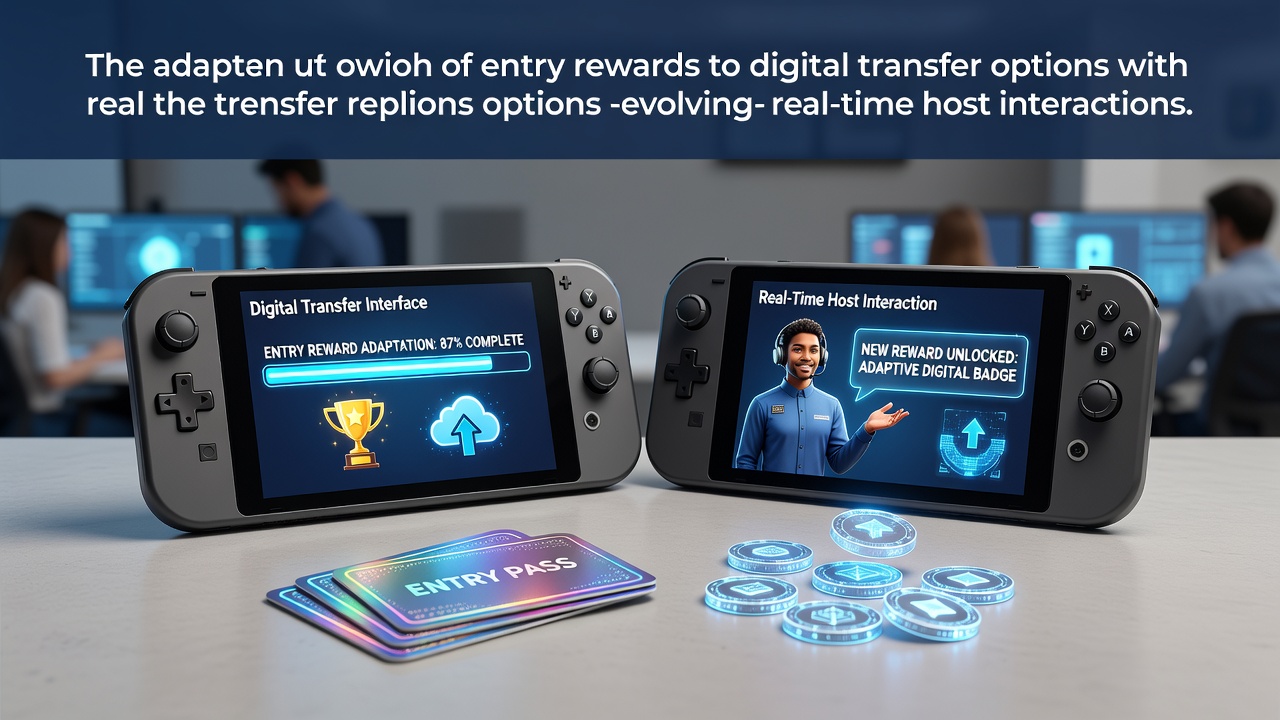
Adapting entry rewards to evolving digital transfer options in handheld interactive gaming environments with real-time host interactions
Handheld interactive gaming environments continue to integrate real-time host interactions with entry rewards that now accommodate multiple digital transfer methods including blockchain-based systems and instant wallet protocols, while developers adjust these systems to maintain compatibility across devices as of July 2026.
Shifts in Digital Transfer Methods for Mobile Gaming
Entry rewards in these environments have incorporated options such as cryptocurrency settlements and near-field communication transfers because operators track transaction speeds that reach completion in under ten seconds according to data compiled by the Interactive Gaming Council, and this integration allows hosts to confirm participant eligibility during live sessions without delays. Researchers at the University of Nevada Reno documented how platforms updated their backend ledgers in early 2026 to process cross-border transfers from regions including Canada and Australia where regulatory frameworks require verified digital trails for all reward distributions.
Observers note that real-time host interactions depend on these transfer adaptations since hosts manage participant onboarding through video feeds while the system simultaneously validates incoming digital assets, yet compatibility issues arise when older wallet formats encounter new ledger protocols that emerged after mid-2025 updates.
Integration Patterns Across Handheld Platforms
Developers have implemented modular reward engines that connect directly to evolving transfer gateways so that entry incentives activate upon confirmation of funds arrival, and this setup supports environments where hosts interact with dozens of users simultaneously on a single session. Data from the Canadian Gaming Association indicates that handheld applications handling live table interactions recorded a 34 percent increase in reward redemptions tied to digital transfers during the first half of 2026, while similar figures from European operators showed parallel growth in multi-device sessions.
Those who monitor these systems point out that handheld devices require optimized code to handle both reward allocation and host synchronization without draining battery resources, since prolonged live interactions demand continuous data exchange between the application and external transfer networks.
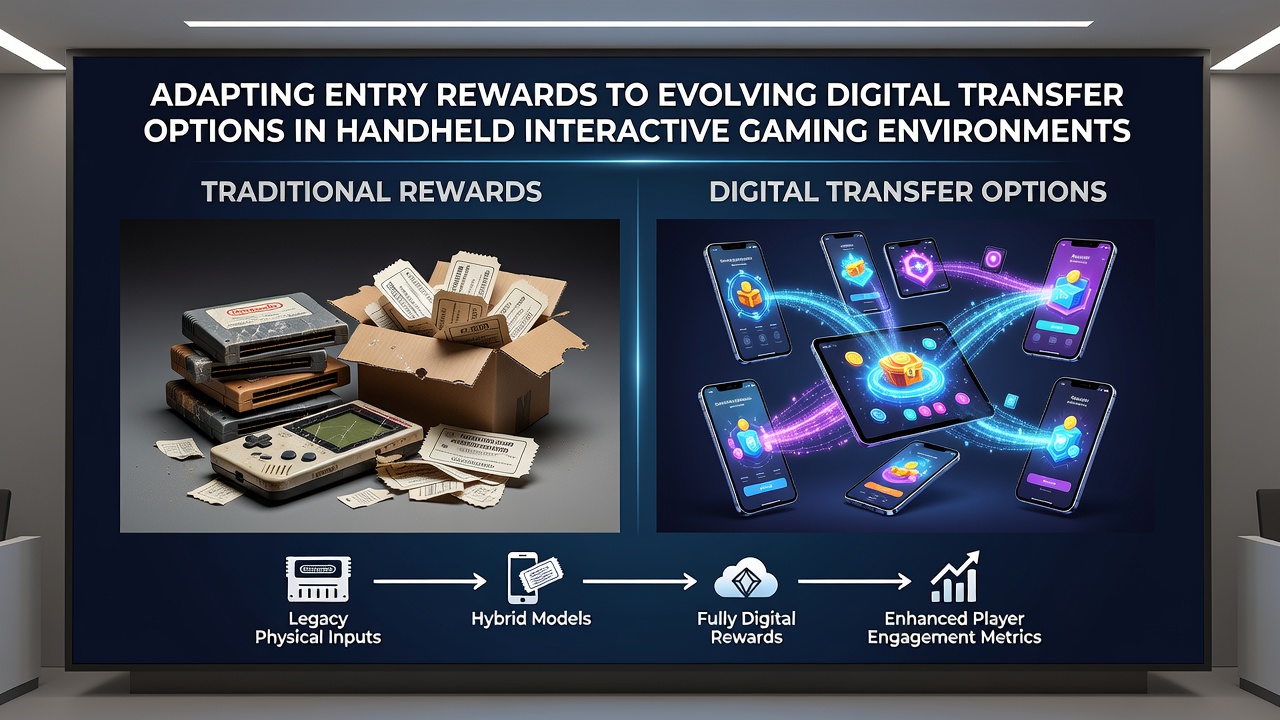
Technical Adjustments in Reward Delivery Systems
Engineers have refined application programming interfaces to accept a wider array of digital transfer confirmations so entry rewards appear in user accounts within moments of transaction completion, and this refinement supports real-time host environments where participants join mid-session after completing a transfer. Reports issued by the Australian Institute of Gaming Research highlight how certain platforms introduced conditional reward tiers that scale based on transfer volume and speed, allowing hosts to adjust game parameters dynamically for users who complete verified transfers.
But here's the thing, legacy systems from before 2025 often require additional middleware layers to bridge gaps between traditional payment rails and newer digital options, which creates temporary bottlenecks during peak usage periods in handheld networks that feature live host participation.
Regulatory Influences on Reward Adaptation
Regulatory bodies in multiple jurisdictions have issued guidelines that require transparent logging of all digital transfers linked to entry rewards, and operators comply by embedding audit trails directly into the handheld application code used for real-time interactions. The Nevada Gaming Control Board published updated compliance standards in March 2026 that address verification steps for cross-device reward claims, ensuring hosts can reference logged data during live sessions without interrupting gameplay flow.
What's interesting is how these standards encourage the adoption of standardized transfer protocols across different handheld ecosystems, reducing fragmentation while maintaining security measures that protect both operators and participants engaged in interactive environments.
Case Examples from Operational Platforms
One platform deployed in North American markets adjusted its reward structure in July 2026 to prioritize instant digital wallet settlements, resulting in hosts confirming participant status faster during evening peak hours when live table interactions reach maximum capacity. Another implementation in Asian handheld networks incorporated regional digital currency options that align with local transfer preferences, allowing entry rewards to trigger automatically once the host verifies the incoming transaction through the integrated dashboard.
People who've examined these deployments often discover that seamless adaptation depends on continuous testing of transfer latency under simulated high-volume conditions, since real-time host interactions leave little margin for processing delays that could disrupt session continuity.
Conclusion
Adaptations in entry rewards continue to align with expanding digital transfer capabilities in handheld gaming environments that feature real-time host interactions, and ongoing technical refinements combined with regulatory compliance measures support broader compatibility across devices and regions as of July 2026. These developments reflect measurable shifts in how operators manage reward activation while preserving the integrity of live participation features.