Biometric Breakthroughs Accelerating Cryptocurrency Entry for Mobile Live Dealer Platforms
Katja Perry · Aug 3, 2026
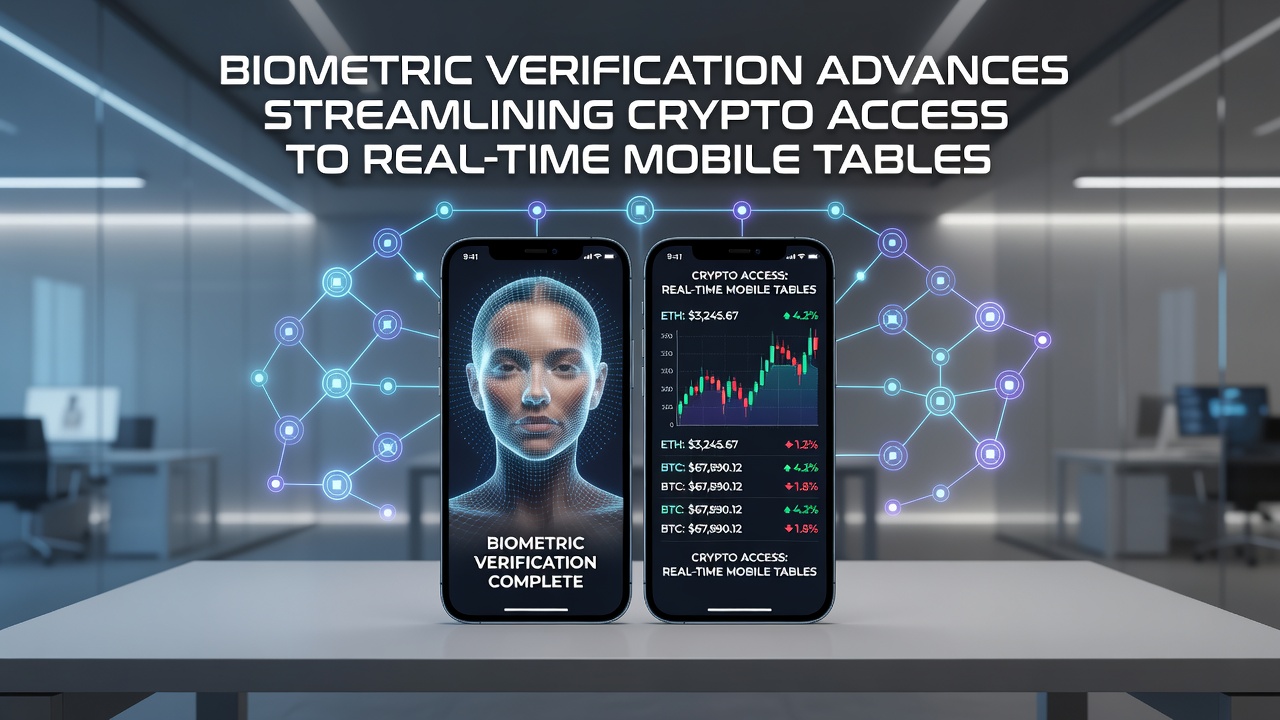
Biometric Breakthroughs Accelerating Cryptocurrency Entry for Mobile Live Dealer Platforms
Biometric verification systems now integrate fingerprint scanning, facial recognition, and voice analysis directly into cryptocurrency wallet connections for real-time mobile table games, and these technologies cut average login times from minutes down to seconds while preserving regulatory compliance across multiple jurisdictions. Developers combine these methods with blockchain protocols so that once a user completes initial identity checks, subsequent sessions rely on device-stored biometric templates rather than repeated password entry or seed phrase confirmation. Data from industry reports indicates adoption rates climbed sharply through 2025, with platforms reporting measurable drops in abandoned deposit attempts during live dealer sessions.
Core Technologies Driving the Shift
Modern implementations pair liveness detection algorithms with multi-factor biometric capture, which means a simple thumbprint or brief facial scan confirms both identity and that the user is physically present rather than relying on a static image or recording. Researchers at several academic institutions have documented accuracy rates exceeding 99 percent in controlled tests when systems layer two biometric modalities together, and this layered approach reduces false rejection incidents that previously disrupted quick entry to blackjack or roulette tables on smartphones. Hardware improvements in recent flagship devices support these processes through dedicated secure enclaves that isolate biometric data from the main operating system, limiting exposure during crypto transaction signing.
Payment flows benefit because biometric approval can authorize wallet signatures without exposing private keys on screen, and observers note that transaction confirmation speeds have improved by roughly 40 percent on networks that adopted these standards by mid-2025. Integration with decentralized identity frameworks further allows users to carry verified credentials across different mobile casino applications without repeating full know-your-customer procedures each time.
Implementation Patterns in Live Mobile Environments
Operators embed biometric prompts at key friction points such as wallet connection, large withdrawal requests, and session resumption after inactivity, while background checks run silently through device sensors to maintain continuous authentication during extended play periods. Case examples from platforms operating in regulated markets show that these steps align with requirements set by bodies like the Nevada Gaming Control Board and the Alcohol and Gaming Commission of Ontario, which both updated technical standards in 2025 to recognize biometric alternatives for identity assurance. Mobile apps now surface these options within the same interface used for live dealer streams, allowing players to switch from deposit to table seat without leaving the application.

Network latency remains a consideration because real-time table interactions demand stable connections, yet biometric processing occurs locally on the device before any data reaches the server, which keeps additional delays minimal. Figures from network monitoring services reveal that average round-trip times for verified crypto deposits stayed under three seconds even during peak evening hours in August 2026 across major carriers. Developers continue refining edge-computing techniques that handle template matching without constant cloud calls, further supporting uninterrupted gameplay.
Security and Regulatory Considerations
Encryption standards applied to biometric templates prevent reconstruction of original images or audio samples even if a database experiences a breach, and standards organizations such as the National Institute of Standards and Technology continue publishing updated guidelines that many developers reference when building these systems. Cross-border operations introduce additional layers because different regions maintain varying thresholds for data retention and consent, yet platforms that operate globally often store only hashed representations that satisfy the strictest applicable rules. Reports issued by the Australian Institute of Criminology highlight how biometric methods can reduce certain categories of account takeover incidents when combined with on-chain transaction monitoring, though the same documents stress the need for ongoing testing against emerging spoofing techniques.
Device manufacturers contribute by expanding support for standardized biometric APIs that allow consistent performance across Android and iOS ecosystems, and this standardization simplifies maintenance for casino application teams that must support multiple hardware generations simultaneously. In practice, users encounter fewer interruptions during high-stakes live dealer rounds because the verification step no longer requires manual entry of lengthy wallet addresses or two-factor codes sent via separate channels.
Future Trajectory and Industry Response
Continued refinement focuses on behavioral biometrics that analyze typing rhythms or device handling patterns in addition to physiological traits, creating passive layers that operate without explicit user action. Several research papers from European universities detail pilot programs that achieved further reductions in verification friction while maintaining audit trails required by licensing authorities. As more jurisdictions finalize rules around digital asset usage in gaming, the same biometric infrastructure supports compliance reporting by logging precise timestamps for each authenticated action without storing sensitive personal details beyond what regulators mandate.
Platform operators track metrics such as session duration and deposit success rates following biometric rollout, and available data shows consistent gains in both areas through the first half of 2026. Hardware advancements scheduled for late 2026 and beyond promise even tighter integration between secure elements and biometric sensors, which could eliminate remaining manual steps in the current workflow.
Conclusion
Biometric verification combined with cryptocurrency protocols has produced measurable improvements in access speed and security for real-time mobile table environments, with documented adoption across regulated markets and ongoing technical refinements that address both performance and compliance demands. Continued collaboration between device makers, software developers, and regulatory bodies supports further streamlining while preserving the audit capabilities required for responsible operation.