Blockchain-Driven Triggers Transforming No-Deposit Bonuses for Live Games on Any Device
Theo Neumann · Aug 26, 2026
Blockchain-Driven Triggers Transforming No-Deposit Bonuses for Live Games on Any Device
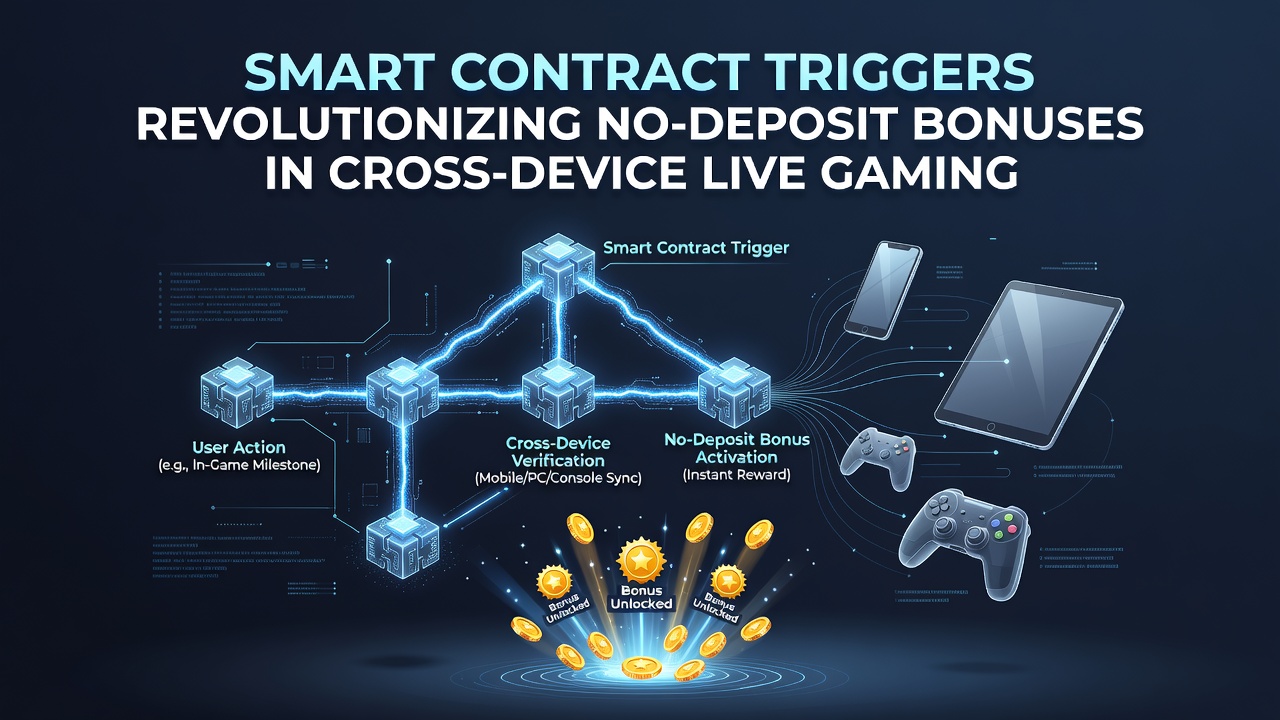
Smart contracts have begun altering how no-deposit bonuses function inside live dealer environments that span smartphones, tablets, and desktop platforms, and observers note that these self-executing agreements now handle verification steps that once required manual oversight from operators. Data from multiple platforms shows that when a player registers and completes an initial live table session, the contract automatically confirms identity markers, game participation, and device consistency before releasing the bonus in real time.
Core Mechanics Behind the Automation
Instead of relying on backend staff to review each claim, the contracts sit on distributed ledgers and trigger payouts once predefined conditions appear in the game log, such as a minimum number of hands played or a specific wager threshold reached during a blackjack or roulette round. Researchers at several technology institutes have documented that this approach cuts processing times from hours down to seconds while maintaining the same compliance rules that traditional systems follow. Cross-device synchronization occurs because the ledger records every action with a timestamp and device identifier, allowing the bonus to remain available whether the player switches from a mobile app to a browser session mid-session.
Implementation Across Global Markets in 2026
By August 2026 multiple operators had integrated these triggers into their live dealer suites, and figures from industry associations indicate that adoption rates climbed steadily throughout the first half of the year. One platform based in the Asia-Pacific region reported that over 60 percent of new accounts activated their no-deposit offers through automated contracts rather than the older claim forms. European operators followed similar patterns after regulators in several jurisdictions issued guidance on transparent ledger use for player rewards. The contracts also log every bonus release on an immutable record, which simplifies audits and reduces disputes over eligibility.
Security and Transparency Benefits
Because each trigger condition exists as code visible to both operators and players, disputes over bonus denial have declined according to transaction data shared by several networks. Players receive immediate confirmation on their chosen device once the smart contract executes, and the same record appears across all linked accounts. Industry reports from the American Gaming Association highlight that this level of visibility helps platforms meet stricter anti-money-laundering requirements without adding extra verification layers that slow gameplay. Yet the system still requires initial know-your-customer checks performed outside the ledger before any bonus activates.
Cross-Device Continuity and Player Experience
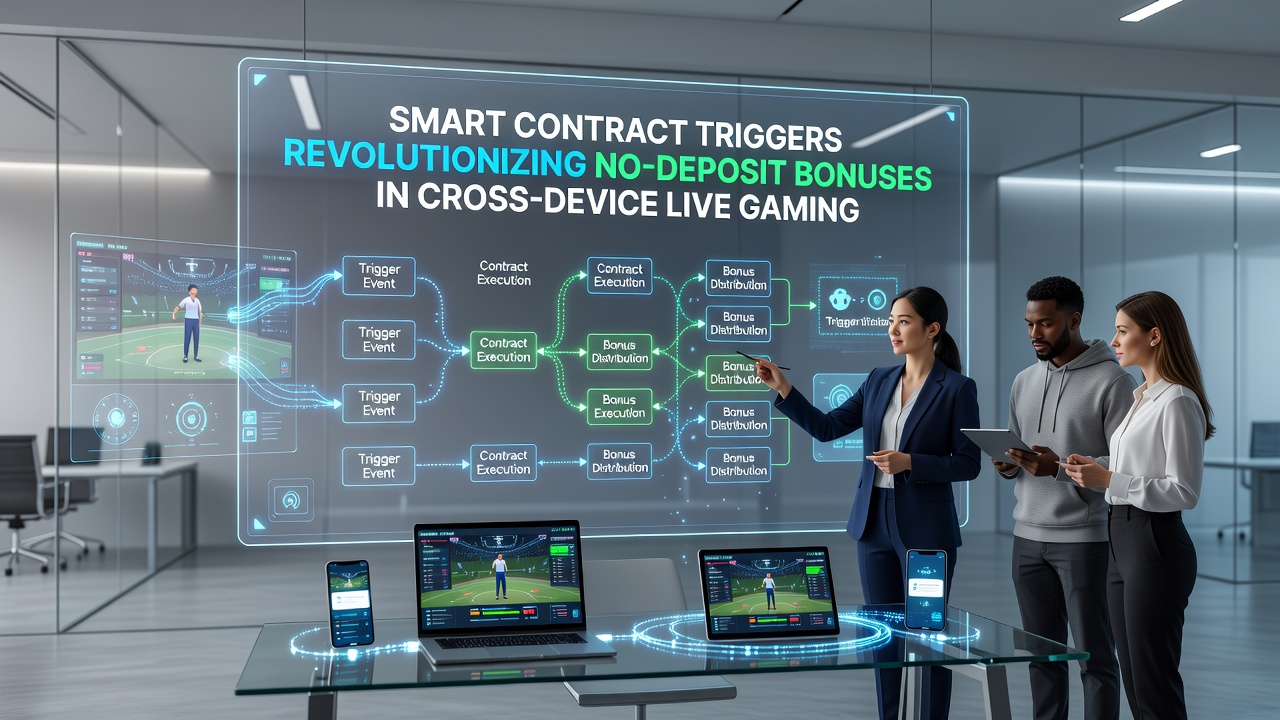
Live gaming sessions often move between devices, and the contracts maintain state across those transitions by referencing a single player profile stored on the ledger. When a user starts a session on a phone and later opens the same table on a laptop, the bonus balance and any pending triggers remain intact because the contract reads the latest block rather than device-specific cookies. Studies published by academic groups focused on distributed systems show that latency stays under two seconds even during peak evening hours, preserving the flow of live tables. Operators note that this continuity increases session length because players no longer need to restart verification when switching screens.
Regulatory Considerations and Future Outlook
Regulators in Canada and Australia have begun reviewing how smart contract triggers align with existing bonus disclosure rules, and early guidance suggests that as long as the contract code matches the advertised terms, the automation satisfies transparency requirements. A research paper from a European university consortium examined transaction volumes from the first quarter of 2026 and found that platforms using these systems processed 40 percent more no-deposit redemptions without increasing support tickets. Future updates may incorporate oracle feeds that pull real-time game outcomes directly from live dealer software, further tightening the link between play and reward delivery.
Conclusion
Smart contract triggers continue to reshape no-deposit structures in cross-device live gaming by replacing manual steps with code that executes consistently across platforms. The combination of immutable records, instant verification, and device-agnostic state management has produced measurable shifts in how operators deliver and players receive entry-level rewards. As more jurisdictions finalize their positions on ledger-based systems, the pattern established through 2026 points toward wider integration rather than isolated experiments.