Blockchain Ledger Updates Transforming Asset Movement in Mobile Gaming Reward Ecosystems
Iris Koch · Aug 14, 2026
Blockchain Ledger Updates Transforming Asset Movement in Mobile Gaming Reward Ecosystems
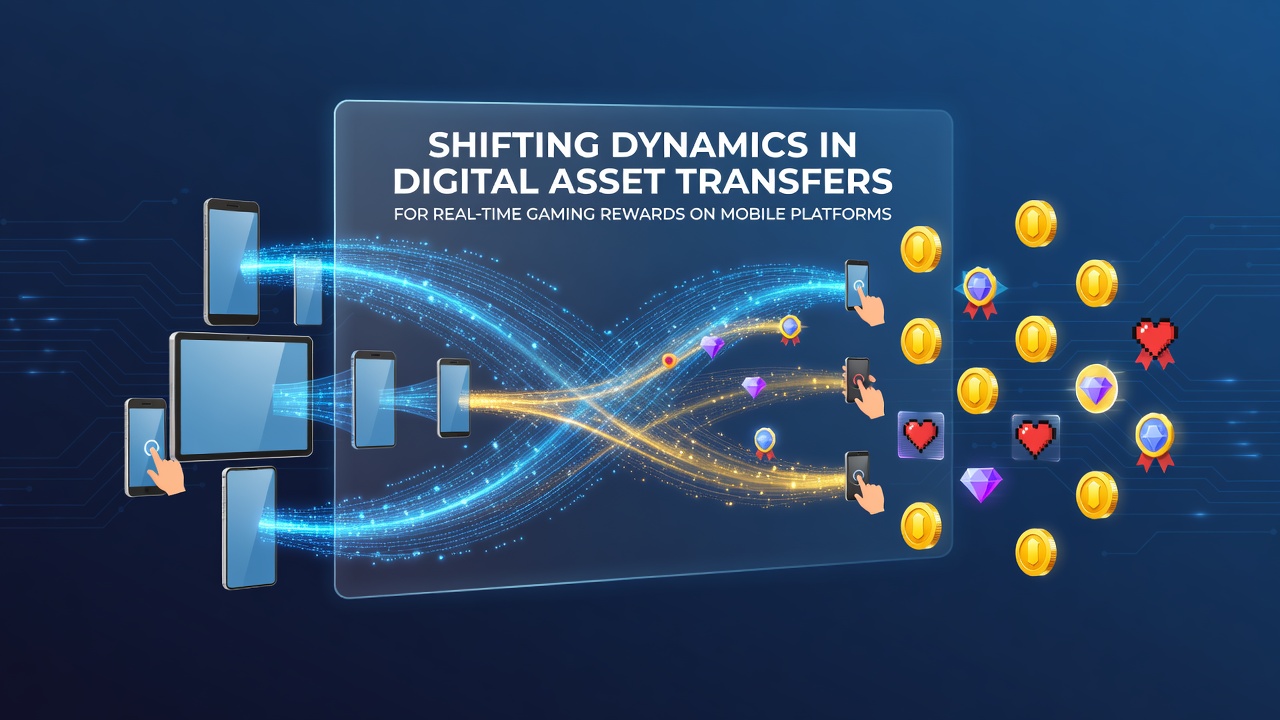
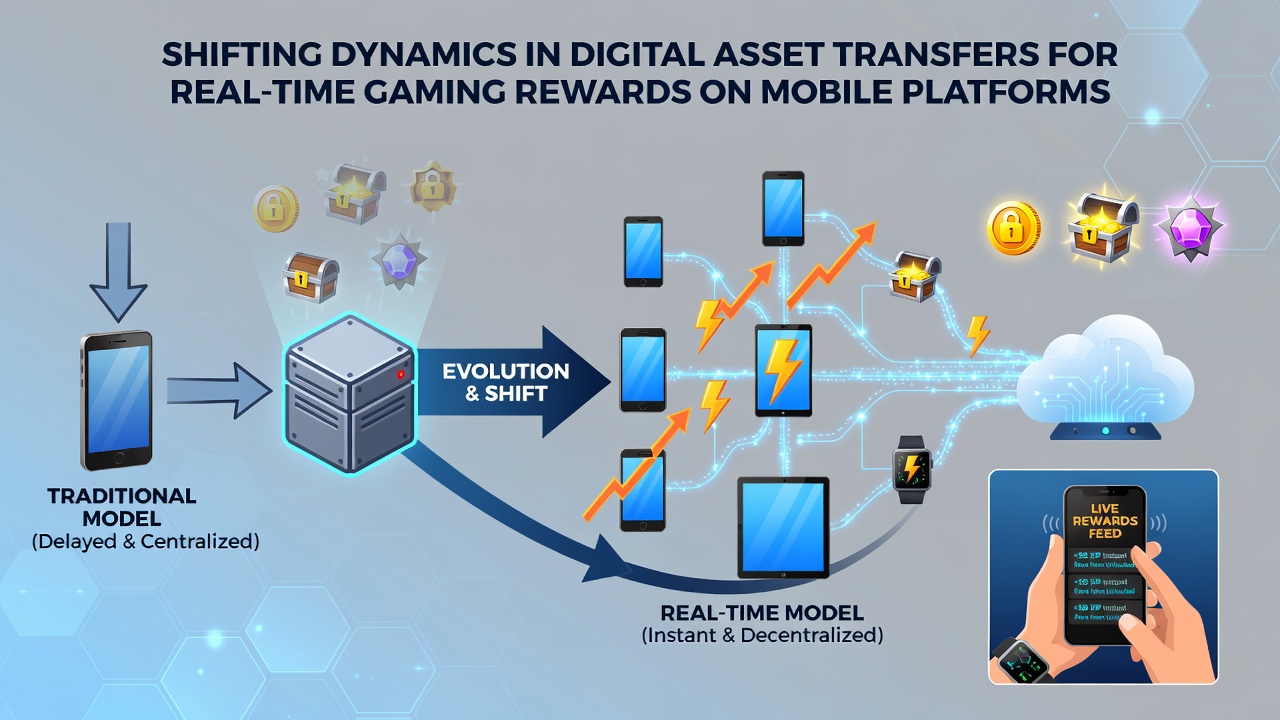
Digital asset transfers in mobile gaming have accelerated as developers integrate distributed ledger systems that handle reward distribution without traditional banking delays. These platforms now process token movements in seconds rather than hours, which allows players to receive in-game credits or convertible assets immediately after completing challenges or events. Data from industry reports indicates transaction volumes in this sector grew substantially between 2024 and 2026, driven by improved wallet connectivity and protocol optimizations.
Technical Shifts in Transfer Protocols
Developers have adopted layer-two scaling solutions on major blockchains, which reduce congestion and lower fees for small-value transfers common in daily gaming rewards. This approach connects mobile applications directly to settlement layers that finalize transactions while the game session continues uninterrupted. Observers note that such integrations eliminate the need for players to exit applications during reward claims, creating smoother experiences across both casual and competitive titles.
Smart contract automation now governs most reward releases, executing predefined conditions without manual intervention from operators. When a player meets criteria like reaching a level milestone or completing a time-limited event, the contract triggers an asset release to the linked wallet address. Research indicates these automated pathways cut processing errors by significant margins compared with earlier centralized systems that relied on batch approvals.
Regional Regulatory Developments Through Mid-2026
By August 2026, several jurisdictions updated guidelines around digital asset handling in entertainment software, requiring clearer disclosure of transfer fees and custody arrangements. Australian authorities published updated compliance frameworks that emphasize audit trails for player-held tokens, while Canadian provincial regulators introduced reporting standards focused on cross-border movements. These measures aim to maintain transparency as volumes increase, yet they also prompt platforms to refine their backend infrastructure accordingly.
European markets saw parallel updates from national gaming bodies that align with broader digital finance directives. Operators responded by embedding compliance checks into transfer workflows, ensuring each reward movement meets verification thresholds before finalization. Figures from regulatory summaries reveal that approved platforms handled higher daily volumes without proportional increases in compliance incidents after these adjustments took effect.
Wallet Integration Patterns and User Access
Mobile gaming applications increasingly embed non-custodial wallet options that let users control private keys while maintaining in-app functionality. This setup supports instant reward claims because assets move directly from operator-controlled smart contracts to individual addresses without intermediate custodians. Studies conducted by academic research groups show that players using integrated wallets complete reward cycles more frequently than those relying on external exchanges for conversion steps.
Multi-chain support has expanded as well, allowing transfers across networks such as Ethereum, Solana, and emerging gaming-specific chains. Developers prioritize chains with low latency and predictable costs, which helps maintain reward reliability during peak usage periods. Those who have examined adoption metrics find that titles offering three or more chain options retain higher percentages of active users over six-month periods.
Security Measures and Verification Standards
Enhanced verification protocols now accompany most digital asset movements in gaming environments. Multi-signature requirements and biometric confirmations on mobile devices add layers that reduce unauthorized access risks during reward transfers. Industry organizations tracking security incidents report fewer successful exploits on platforms that adopted these combined methods by early 2026 compared with prior years.
Zero-knowledge proofs have entered testing phases on several major mobile titles, enabling reward verification without exposing full transaction details. This technique preserves player privacy while still satisfying regulatory audit needs. Data shared by research institutions indicates successful pilot programs achieved verification speeds suitable for real-time gameplay loops without introducing noticeable lag.
Future Trajectory and Infrastructure Investments
Platform operators continue allocating resources toward cross-protocol bridges that facilitate seamless asset movement between different gaming ecosystems. These investments target reduced friction for players who participate across multiple titles and want to consolidate rewards in one wallet. Projections based on current deployment rates suggest continued expansion of supported assets and networks through late 2026 and beyond.
Conclusion
Shifts in digital asset transfer mechanisms continue to reshape how mobile gaming platforms deliver and manage real-time rewards. Regulatory clarity emerging in multiple regions, combined with technical improvements in speed and security, supports broader adoption of these systems. As infrastructure matures, the volume and variety of transferable rewards are expected to grow, provided operators maintain compliance with evolving standards across jurisdictions.