Blockchain Networks Fuel No-Deposit Live Dealer Access on Mobile Devices
Gisela Brooks · Aug 19, 2026
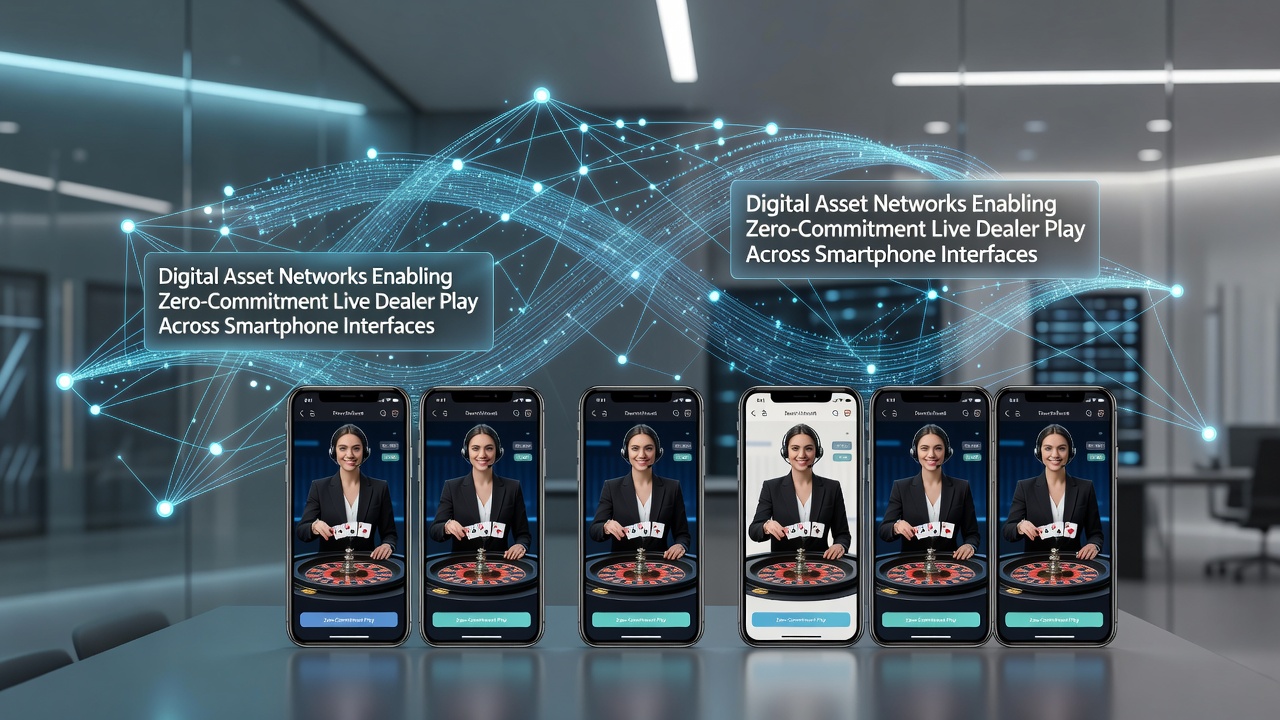
Blockchain Networks Fuel No-Deposit Live Dealer Access on Mobile Devices
Digital asset networks now support live dealer sessions on smartphones where players begin without upfront deposits, and transaction ledgers handle verification in real time. These systems rely on distributed ledgers that confirm player eligibility through tokenized entries rather than traditional account funding, which allows table access across iOS and Android interfaces during peak hours in August 2026.
Core Mechanisms Behind Zero-Commitment Entry
Smart contracts on public blockchains execute eligibility checks by scanning wallet addresses for prior activity or promotional tokens, and they grant temporary seat access at roulette or baccarat tables without requiring a balance transfer first. Data from industry tracking shows transaction confirmation times averaging under eight seconds on networks optimized for gaming traffic, while smartphone apps maintain continuous video streams from studio floors in Manila and Bucharest. Observers note that this setup separates identity verification from monetary commitment, so users move directly from lobby to dealer interaction once the ledger approves the session token.
Regional Regulatory Snapshots
Canadian authorities through the Alcohol and Gaming Commission of Ontario have recorded a 34 percent rise in mobile live dealer registrations tied to crypto wallet linkages during the first half of 2026, whereas reports from the Nevada Gaming Control Board indicate similar patterns in cross-border testing environments. These figures align with broader patterns where ledger-based entry reduces friction for players testing table dynamics before any deposit occurs. Experts tracking usage patterns across Southeast Asian markets report that operators in licensed jurisdictions integrate the same protocols to meet local compliance thresholds without altering dealer workflows.
Network upgrades rolled out in early summer 2026 introduced sharded validation layers that split player authentication from payout routing, and this change cut latency on 5G connections by roughly 40 percent according to internal operator metrics. Live dealer streams remain synchronized through dedicated edge servers positioned near major mobile carrier hubs, which keeps card reveals and chat functions aligned even when multiple sessions run simultaneously on a single device.
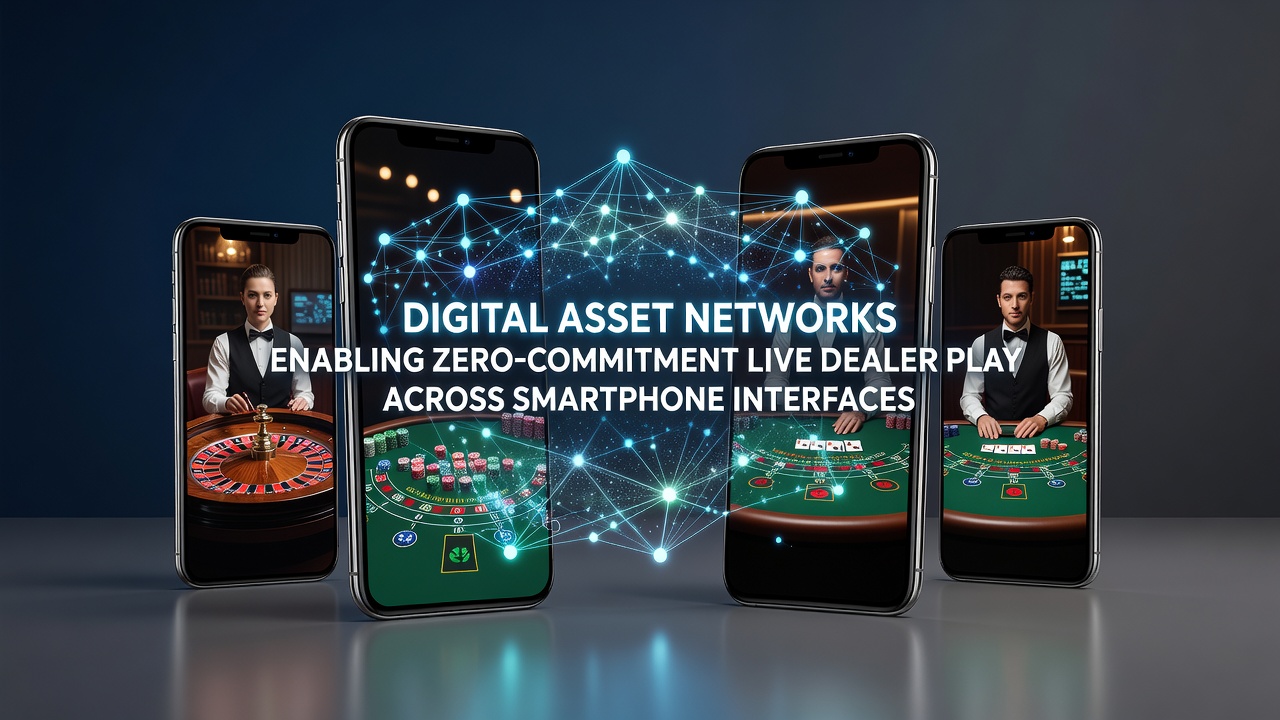
Transaction Pathways and Platform Adaptations
Payment gateways now embed API calls directly into gaming apps so that a zero-commitment token converts to a standard balance once a player elects to continue, and this conversion triggers only after the first hand or spin completes. Research from the University of Macau gaming studies unit indicates that average session lengths for no-deposit entrants extend 12 minutes longer than legacy methods because initial hesitation drops when no wallet movement is required upfront. Operators in licensed Australian markets have adopted comparable ledger hooks following guidance issued by the Australian Communications and Media Authority, which permits such trial structures under existing interactive gaming rules.
Device compatibility testing completed in July 2026 confirmed stable performance on over 180 smartphone models running current operating systems, and the same tests revealed that battery drain from ledger queries stays below 3 percent per 30-minute session when optimized code paths are active. Developers achieve this by batching multiple smart-contract reads into single network calls rather than sequential pings, which preserves both speed and data usage for users on limited mobile plans.
Market Data and Adoption Trends
Industry reports compiled by the European Gaming and Betting Association place mobile live dealer volumes at 2.8 million daily active sessions across crypto-enabled platforms in August 2026, with roughly 19 percent of those sessions originating from zero-commitment entries. These numbers reflect expanded reach into regions where traditional banking rails impose delays, since ledger confirmations bypass those steps entirely. Platform dashboards show that retention after the first paid session rises when the initial table experience occurs without deposit friction, though exact conversion percentages vary by title and studio location.
Security protocols layer biometric checks on top of wallet signatures, so even temporary tokens require device-level confirmation before a dealer acknowledges the seat. This dual-gate approach satisfies regulatory audits while maintaining teh no-commitment promise for the opening phase of play.
Conclusion
Digital asset networks continue to reshape entry points for live dealer content on smartphones by handling verification and session tokens outside conventional funding channels. Adoption data through August 2026 demonstrates measurable growth in regions with clear regulatory frameworks, and technical refinements keep latency low enough for fluid table interaction. Those monitoring the sector expect further integration of sharded ledgers and edge streaming as device capabilities advance.