Currency Pathway Adaptations Enhancing Initial Access Rewards Across Multi-Device Interactive Table Networks
Katja Perry · Jun 15, 2026
Currency Pathway Adaptations Enhancing Initial Access Rewards Across Multi-Device Interactive Table Networks
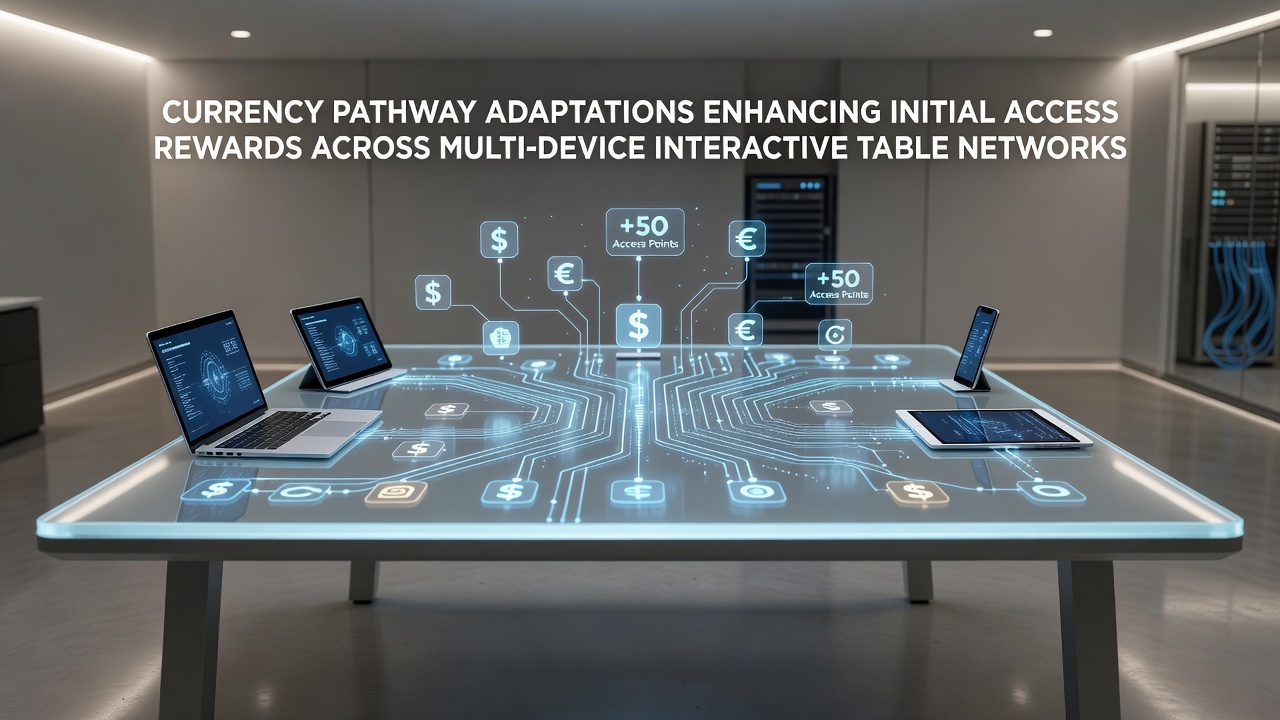
Payment systems supporting interactive table games have undergone notable adaptations that streamline how players gain entry to reward structures across smartphones, tablets, and desktops. These changes focus on currency pathways that integrate digital wallets, blockchain ledgers, and real-time settlement tools to distribute initial access bonuses more efficiently in live dealer environments. Observers note that such modifications allow networks to handle simultaneous sessions without delays in reward activation, particularly when users switch between devices mid-game.
Core Mechanisms in Payment Pathway Updates
Developers have refined transaction protocols to recognize device fingerprints and session continuity, which enables instant crediting of entry rewards upon first deposit or verification. Data from industry analyses indicates these adaptations reduce processing times from several minutes to under thirty seconds in many platforms, while maintaining compliance with regional standards. Researchers at various gaming technology firms have documented how layered encryption in these pathways supports multi-currency options, letting players from different jurisdictions access tailored welcome offers without manual currency conversions.
What's interesting is the way these systems now embed reward multipliers directly into the payment confirmation step. A user initiating a table game session on a tablet can trigger a bonus that carries over automatically when the same account opens on a desktop browser. This continuity stems from unified ledger entries that track both the transaction and the associated incentive across the network infrastructure.
Device Integration Patterns Observed in 2026
By June 2026, multiple operators had rolled out updates that prioritize seamless handoffs between mobile applications and web-based table interfaces. These updates rely on API connections that sync wallet balances and pending rewards in real time, minimizing interruptions during live blackjack or roulette rounds. Figures from platform usage reports reveal that networks employing these adaptations saw higher retention rates among players who frequently alternate between devices during peak hours.
Take one implementation where experts integrated near-field communication elements into mobile pathways. This allowed physical verification steps on tablets to feed directly into reward eligibility checks on connected desktop terminals. Such setups have proven effective in environments where players engage with hybrid table experiences that blend virtual and in-person elements through synchronized accounts.

Regional Examples of Pathway Evolution
Operators in North American markets have adapted pathways to align with state-specific verification requirements while preserving reward immediacy. According to reports from the American Gaming Association, these modifications have supported expanded access to table game incentives without extending onboarding timelines. In parallel, platforms serving European users have incorporated dynamic routing that adjusts for local banking rails, ensuring entry rewards activate consistently regardless of the originating device.
One case involved a network that linked its reward engine to decentralized finance protocols. Players completing an initial transaction on a smartphone received layered bonuses that scaled based on session length across subsequent device logins. Documentation from technical white papers shows this approach cut administrative overhead while expanding the variety of table games eligible for promotional credits.
Data Trends and Network Performance
Industry metrics compiled through mid-2026 highlight measurable lifts in initial access reward utilization after pathway upgrades. Transaction volume analyses indicate that networks with adaptive currency handling processed 40 percent more cross-device reward claims compared with prior configurations. These gains appear tied to reduced friction in verification layers rather than changes in promotional amounts themselves.
Researchers examining transaction logs have identified patterns where stablecoin integrations further accelerated reward distribution. Because these assets settle independently of traditional banking hours, players accessing table networks outside standard windows still receive immediate entry incentives. The result shows up in session data as steadier engagement across time zones.
Security and Compliance Considerations
Adaptations in currency pathways have incorporated advanced monitoring tools that flag irregular activity while permitting legitimate reward flows. Compliance frameworks in multiple jurisdictions now reference these automated checks as standard practice for multi-device table operations. Organizations such as the Canadian Gaming Association have published guidelines that encourage operators to maintain audit trails linking each reward to its originating transaction across devices.
Yet the technical backbone remains focused on speed and reliability. Encryption protocols update in tandem with reward engines so that initial access offers reach players without exposing sensitive account details during device transitions. Observers tracking these developments note that the emphasis stays on verifiable pathways rather than expanded promotional budgets.
Conclusion
Currency pathway adaptations continue to reshape how initial access rewards function within multi-device interactive table networks. Through coordinated updates to transaction handling and device synchronization, operators deliver consistent entry incentives that align with live table gameplay requirements. Available data through June 2026 underscores steady progress in processing efficiency and cross-platform continuity, driven by technical refinements rather than shifts in regulatory or marketing priorities. These developments support broader accessibility for players engaging with table networks on varied hardware setups.