Digital Wallet Integration Trends Reshaping Mobile Live Dealer Casino Experiences Across Global Markets
Iris Koch · May 29, 2026
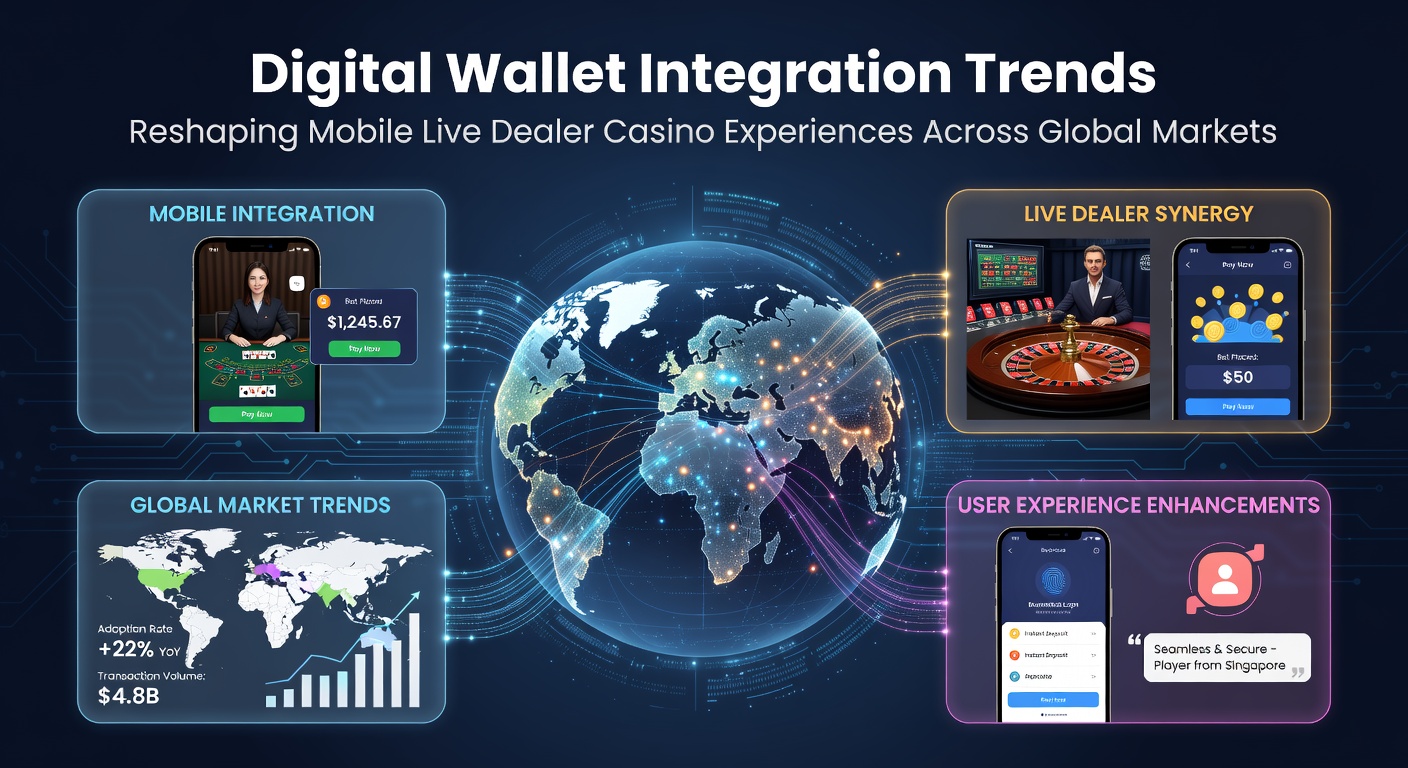
Digital Wallet Integration Trends Reshaping Mobile Live Dealer Casino Experiences Across Global Markets
Digital wallet integration has accelerated the pace at which players access live dealer tables on mobile devices, and operators have responded by embedding payment solutions that reduce friction during deposits and withdrawals. In markets from Asia to North America, these systems now support instant transfers that align with the real-time demands of live blackjack, roulette, and baccarat sessions streamed directly to smartphones. Research from industry analysts shows adoption rates climbing steadily through early 2026 as regulatory frameworks in multiple jurisdictions adapt to the technology.
Core Technologies Enabling Seamless Transactions
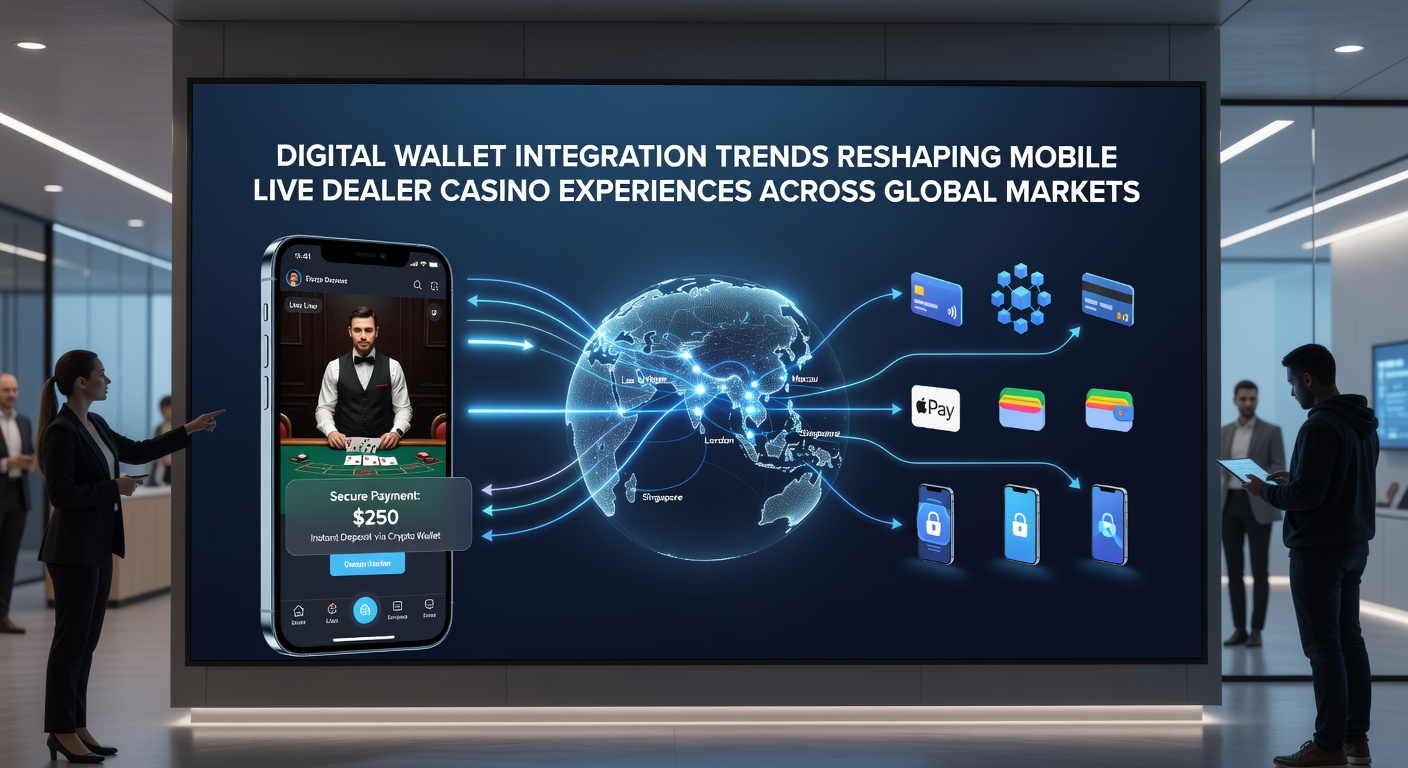
Payment platforms such as Apple Pay, Google Pay, and various regional e-wallets now interface directly with casino apps, allowing users to fund accounts without leaving the live dealer interface. Data compiled by payment processors indicates that transaction completion times have dropped below three seconds in optimized systems, a development that keeps players engaged at tables where betting rounds move quickly. Observers note that API connections between wallets and gaming servers handle currency conversions automatically when cross-border play occurs, which reduces errors that once interrupted sessions.
Security protocols built into these wallets rely on tokenization and biometric verification, methods that encrypt sensitive details before any data reaches the casino backend. Studies conducted by financial technology research groups reveal that such layers lower the incidence of unauthorized access compared with older card-based methods. Operators in Singapore and parts of Europe have documented higher session durations once these protections became standard, because players spend less time managing payment confirmations and more time interacting with dealers.
Regional Adoption Patterns Emerging in 2026
Markets in the Asia-Pacific region have moved ahead with localized wallet partnerships that comply with strict data localization rules, and May 2026 marks the scheduled rollout of updated interfaces in several licensed platforms serving players in Malaysia and Thailand. European operators, guided by directives from the Malta Gaming Authority, continue to refine wallet compatibility with SEPA instant payments, which facilitate same-day settlements across member states. In contrast, North American jurisdictions have focused on state-level approvals that tie digital wallet use to age verification systems already embedded in mobile apps.
Australian regulators have required additional reporting on wallet transaction volumes, and figures released by the Australian Communications and Media Authority show consistent quarterly growth in mobile live dealer traffic tied to these payment methods. Take one operator in New South Wales that integrated multiple wallets last year and recorded a measurable uptick in repeat sessions from users who previously abandoned carts during lengthy card verifications. These patterns demonstrate how localized compliance shapes the speed of integration without altering the core live dealer experience.
Operational Adjustments by Casino Platforms
Live dealer providers have adjusted streaming software to accommodate payment notifications that appear as non-intrusive overlays rather than full-screen interruptions. This design choice keeps camera feeds and dealer interactions continuous while transaction confirmations process in the background. Gaming technology firms report that backend reconciliation now occurs in batches every few minutes, which supports accurate balance updates visible to players mid-session.
Staff training programs at major studios emphasize quick responses to wallet-related queries, because support teams handle an increasing share of payment questions alongside traditional game inquiries. Case examples from studios operating across multiple time zones show reduced wait times for resolution once automated status updates replaced manual ticket systems. Those adjustments maintain the social element of live dealer play while the financial layer operates independently.
Projected Developments Through Late 2026
Analysts tracking payment trends anticipate further expansion of wallet options that support loyalty point conversions directly at the table interface, a feature already in testing phases in select Canadian provinces. Partnerships between gaming groups and established financial networks continue to standardize settlement protocols, which reduces the technical overhead for smaller operators entering the mobile live dealer space. Data from cross-industry reports points to sustained growth in transaction volumes as more jurisdictions finalize their frameworks for digital payments.
What's interesting is how these integrations influence player retention metrics without changing the fundamental rules or pacing of live games. Observers tracking platform analytics have identified correlations between wallet availability and longer average session lengths, particularly in regions where mobile data costs remain a consideration for users. The reality is that infrastructure improvements in both payment rails and network connectivity will determine how quickly these trends spread to emerging markets.
Conclusion
Digital wallet integration continues to streamline access to mobile live dealer experiences by shortening payment cycles and strengthening security measures across diverse regulatory environments. Global markets have adopted varied approaches that reflect local priorities, yet the underlying effect remains consistent: players encounter fewer barriers between deciding to join a table and placing their first bet. As May 2026 approaches, scheduled updates in multiple regions will likely accelerate these connections further, allowing the live dealer format to maintain its interactive appeal while financial transactions operate with increasing efficiency in the background.