Evolving Digital Currency Routes Transforming Initial Player Incentives in Interactive Mobile Table Environments
Theo Neumann · Jul 13, 2026

Evolving Digital Currency Routes Transforming Initial Player Incentives in Interactive Mobile Table Environments
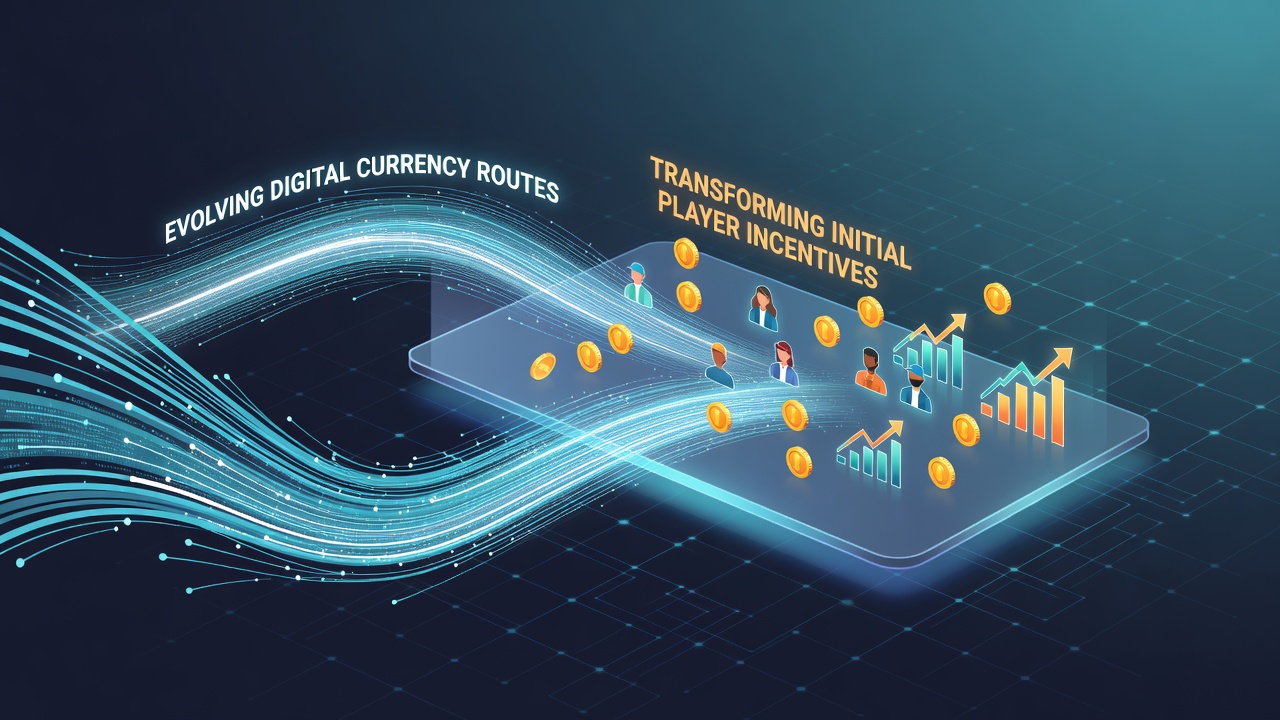
Digital currency pathways continue to reshape how initial player incentives operate within mobile table environments, where live dealer games such as blackjack, roulette, and baccarat connect players directly to real-time interactions through smartphone applications. These routes rely on blockchain protocols and stablecoin transfers that bypass traditional banking delays, allowing welcome bonuses and sign-up rewards to reach accounts within seconds rather than hours or days. Data from industry monitoring services indicates that by July 2026, adoption rates for crypto-based entry incentives in mobile table platforms had increased across multiple regions, driven by faster settlement times and reduced transaction fees.
Payment gateways now integrate with decentralized ledger systems that record each incentive distribution as an immutable transaction, which helps platforms verify eligibility and prevent duplicate claims. This setup differs from earlier models that depended on credit card processors or e-wallet intermediaries subject to regional banking restrictions. Observers note that mobile table environments benefit particularly because sessions often last shorter durations than land-based play, making immediate access to starting funds essential for maintaining engagement.
Blockchain Integration in Mobile Table Incentives
Developers have adapted smart contract functions to automate the release of initial rewards once players complete basic verification steps on their devices. These contracts execute on networks such as Ethereum or Solana, where gas fees remain low enough to support frequent micro-transactions typical in live dealer environments. Research compiled by gaming analytics firms shows that platforms using these methods report higher completion rates for bonus wagering requirements compared with legacy systems.
Stablecoins pegged to major fiat currencies provide price stability during the brief window between incentive receipt and first wager, which matters when table minimums fluctuate with currency exchange rates. In July 2026 several operators expanded support for multiple stablecoin options within single applications, allowing users to select routes based on network speed or regional availability. This flexibility reduces friction for players entering interactive table sessions from different jurisdictions.
Regional Regulatory Influences on Digital Routes
Government agencies in North America and Asia-Pacific markets have issued updated guidance on digital asset transfers within gaming applications, focusing on transparency rather than outright prohibition. The Australian Communications and Media Authority published findings in mid-2026 that tracked the volume of crypto incentives processed through licensed mobile operators, noting a measurable shift toward on-chain verification methods. Similar patterns appear in Canadian provincial reviews, where regulators examine how blockchain records assist with responsible gambling tools embedded in table interfaces.
These policy adjustments encourage platforms to maintain detailed audit trails without increasing processing times for initial player rewards. As a result, mobile table environments now feature built-in dashboards that display both traditional and digital currency balances side by side, giving users clear visibility into how incentives convert across formats.
Transaction Speed and User Access Patterns
Latency measurements collected from major mobile networks demonstrate that crypto-based deposits settle in under 30 seconds on average when using optimized routing protocols, whereas card-based alternatives can require several minutes during peak hours. This difference proves significant in live dealer settings where tables operate continuously and players may join mid-session. Industry reports from the European Gaming and Betting Association highlight that operators adopting these faster routes observed increased session frequency among users who previously abandoned applications during deposit waits.
Multi-device synchronization ensures that an incentive activated on a smartphone remains available if the player switches to a tablet, maintaining continuity across interactive table networks. Developers achieve this through encrypted wallet connections that store session data on distributed nodes rather than centralized servers, which also improves resilience against localized outages.
Security Protocols Supporting Incentive Distribution
Encryption standards applied to digital currency transfers within gaming apps now incorporate multi-signature requirements and biometric confirmation steps before any reward activates. These measures align with broader cybersecurity frameworks used by financial institutions, yet they remain lightweight enough not to interrupt the flow of mobile table gameplay. Studies conducted by university research groups in Singapore and Sweden have examined how such layered authentication affects user retention rates when applied specifically to initial incentive claims.
Fraud detection algorithms scan blockchain activity in real time, flagging unusual patterns that might indicate automated account creation aimed at harvesting bonuses. Platforms then adjust incentive structures dynamically, such as introducing tiered rewards based on verified play history rather than one-time sign-ups alone. This evolution reflects ongoing adaptation rather than static policy.
Future Trajectory of Currency Pathways
Emerging layer-two scaling solutions promise further reductions in confirmation times for table game incentives, potentially enabling sub-second transfers that match the pace of live dealer decisions. Pilot programs running in select markets during 2026 test these capabilities with existing mobile applications, gathering performance data under varied network conditions. The integration of programmable money features allows incentives to carry specific usage rules enforced automatically, such as automatic conversion to table chips upon receipt.
Conclusion
Digital currency routes have become integral to the mechanics of initial player incentives in interactive mobile table environments, supported by measurable improvements in speed, verification, and cross-regional accessibility. Continued refinement of these systems depends on alignment between technological capabilities and regulatory expectations across different markets. As adoption expands, the structural changes in how rewards reach users first will likely influence design choices in live dealer applications for years ahead.