How Interface Designs on Portable Devices Influence Engagement Patterns in Real-Time Table Formats Using Varied Transaction Networks
Theo Neumann · Jun 22, 2026
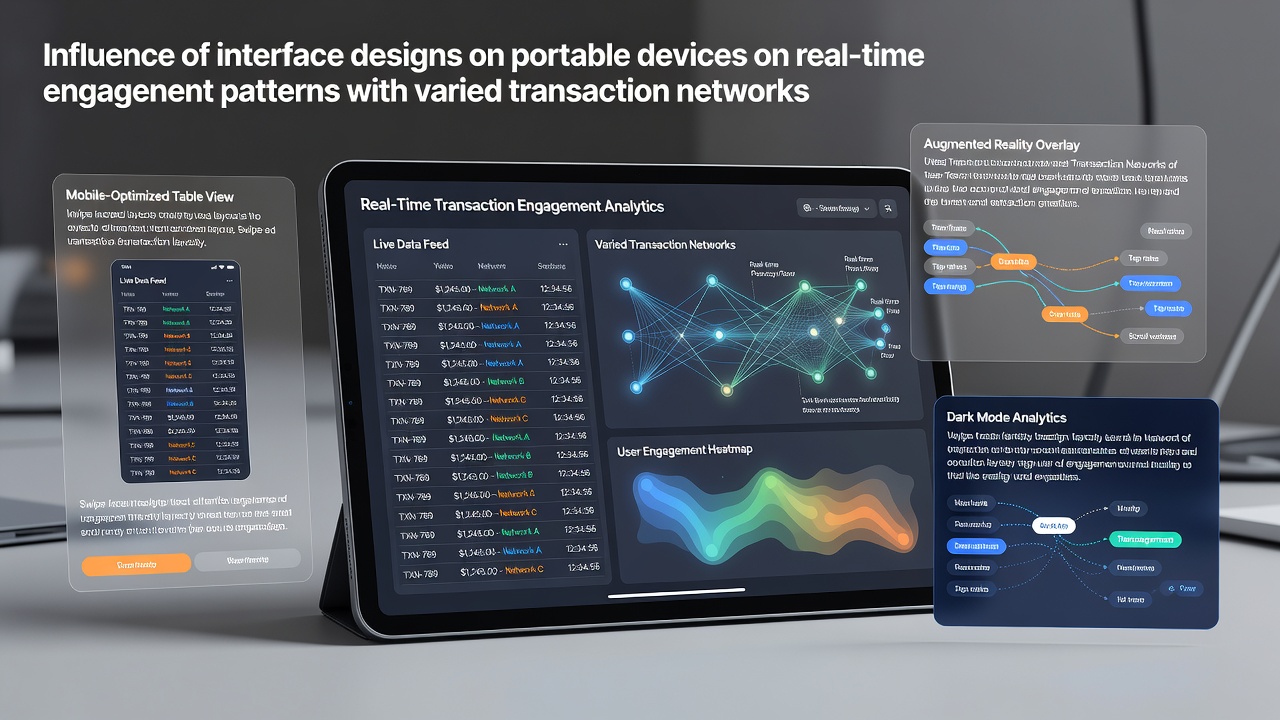
How Interface Designs on Portable Devices Influence Engagement Patterns in Real-Time Table Formats Using Varied Transaction Networks
Portable device interfaces shape how users interact with real-time table formats that rely on multiple transaction networks for data exchange and updates. These designs determine the speed at which individuals process information displayed in tabular structures while switching between payment protocols or ledger systems. Data from mobile usability studies indicates that layout choices such as button placement, color contrast, and gesture controls directly affect session duration and interaction frequency across platforms that combine live data feeds with varied financial rails.
Core Elements of Interface Design on Mobile Platforms
Screen size constraints on portable devices force designers to prioritize compact navigation menus and collapsible table rows that expand on touch. Researchers at institutions studying human-computer interaction have documented how swipe gestures replace traditional clicks in environments where users monitor multiple transaction statuses simultaneously. Font scaling options and dark mode toggles appear in many applications because they reduce eye strain during extended sessions that involve constant table refreshes.
Touch target sizes set at minimum 48 pixels help prevent accidental selections when users confirm transfers across networks that operate on different confirmation times. Animation timing for row updates stays under 300 milliseconds in tested configurations because longer delays correlate with higher abandonment rates according to aggregated analytics from development firms.
Engagement Patterns in Real-Time Table Displays
Real-time table formats present live rows that refresh as new entries arrive from connected transaction networks. Engagement metrics collected by analytics platforms show that users return more frequently when tables include visual indicators such as progress bars for pending settlements and color-coded status flags. One study tracking user behavior across financial and logistics applications found that tables with inline action buttons increased completion rates compared to those requiring navigation to separate screens.
Notification integration plays a measurable role because push alerts linked directly to specific table rows prompt quicker re-engagement. Observers note that patterns shift when interfaces allow users to filter rows by network type or transaction value without leaving the main view. Data collected through A/B testing reveals consistent differences in average time spent per session when these filters operate smoothly versus when they introduce loading interruptions.
Integration of Varied Transaction Networks
Applications that support multiple transaction networks must display network-specific details within the same table without cluttering the view. Interface solutions often use segmented tabs or expandable accordions that reveal fee structures, processing speeds, and confirmation requirements for each option. Reports from digital infrastructure analyses indicate that clear labeling of network choices reduces user errors during selection and improves overall retention across repeated interactions.
Security indicators such as encryption badges placed next to network selectors help maintain trust when users switch between systems with differing protocols. In June 2026 several development teams released updates that standardized these indicators across iOS and Android builds after feedback from cross-platform testing groups highlighted inconsistencies in visual cues.
Documented Effects on User Behavior
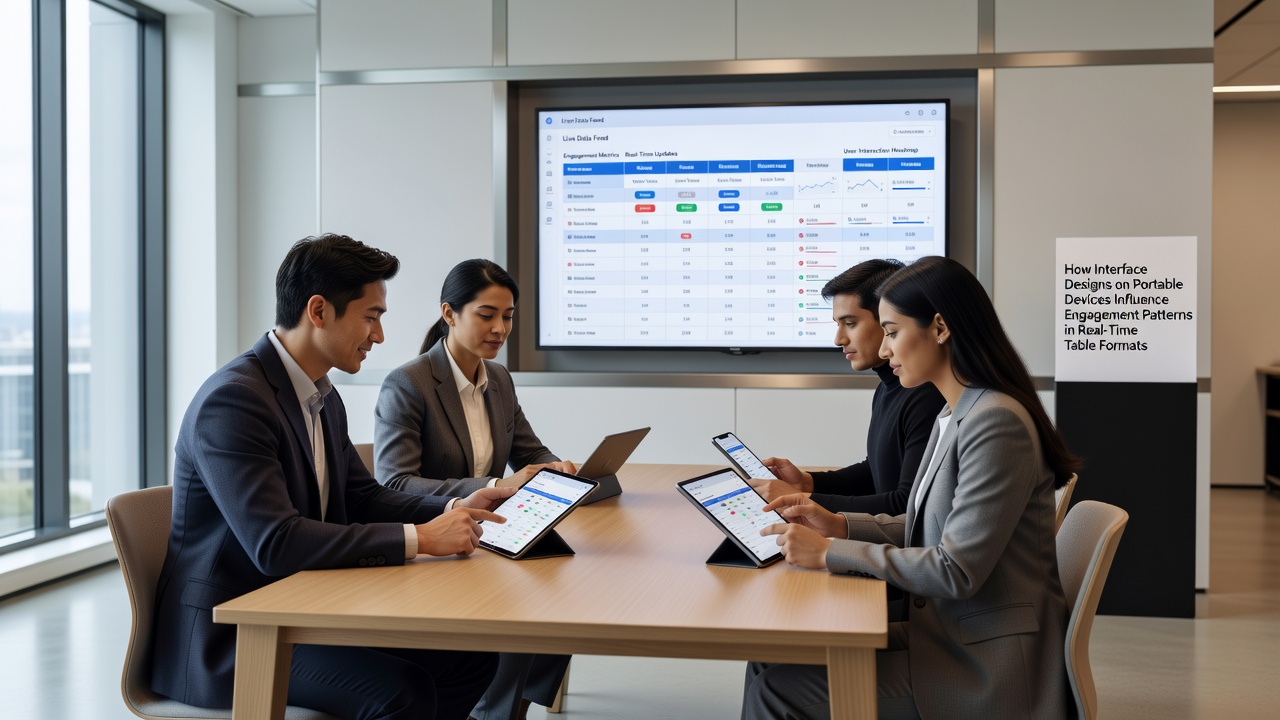
Longitudinal data gathered by research groups shows measurable changes in engagement when interfaces adapt dynamically to network latency. Tables that pause updates during slower connections and display clear status messages retain users at higher rates than those that continue attempting refreshes. People who manage high volumes of entries often prefer layouts that allow batch actions across selected rows because these reduce repetitive taps on smaller screens.
Accessibility features including voice-over compatibility and adjustable contrast modes expand the user base for applications handling real-time tables. Figures from accessibility compliance reviews indicate that compliant designs correlate with broader adoption among diverse demographics while maintaining performance across transaction networks of varying speeds.
Recent Observations from Industry Reports
Industry reports released in early 2026 highlight how adaptive layouts that resize columns based on device orientation influence how quickly users compare options from different networks. Canadian digital economy assessments note steady growth in session counts for applications that combine real-time tables with seamless network switching. European digital innovation studies similarly track improvements in task completion when interfaces provide predictive loading for anticipated network delays.
These patterns hold across regions where portable device usage for data-heavy tasks continues to rise. Observers tracking application performance metrics point to consistent correlations between refined interface elements and sustained user activity over multi-month periods.
Conclusion
Interface designs on portable devices continue to determine engagement levels in real-time table formats that depend on varied transaction networks. Specific choices in layout, feedback timing, and network presentation produce measurable differences in how often and how long users interact with the displayed information. Ongoing refinements based on usage data support continued evolution in these systems as transaction options expand.