Inside the Mechanics of Rapid Settlement Systems Powering Mobile Table Experiences Without Initial Deposits
Katja Perry · Jul 22, 2026
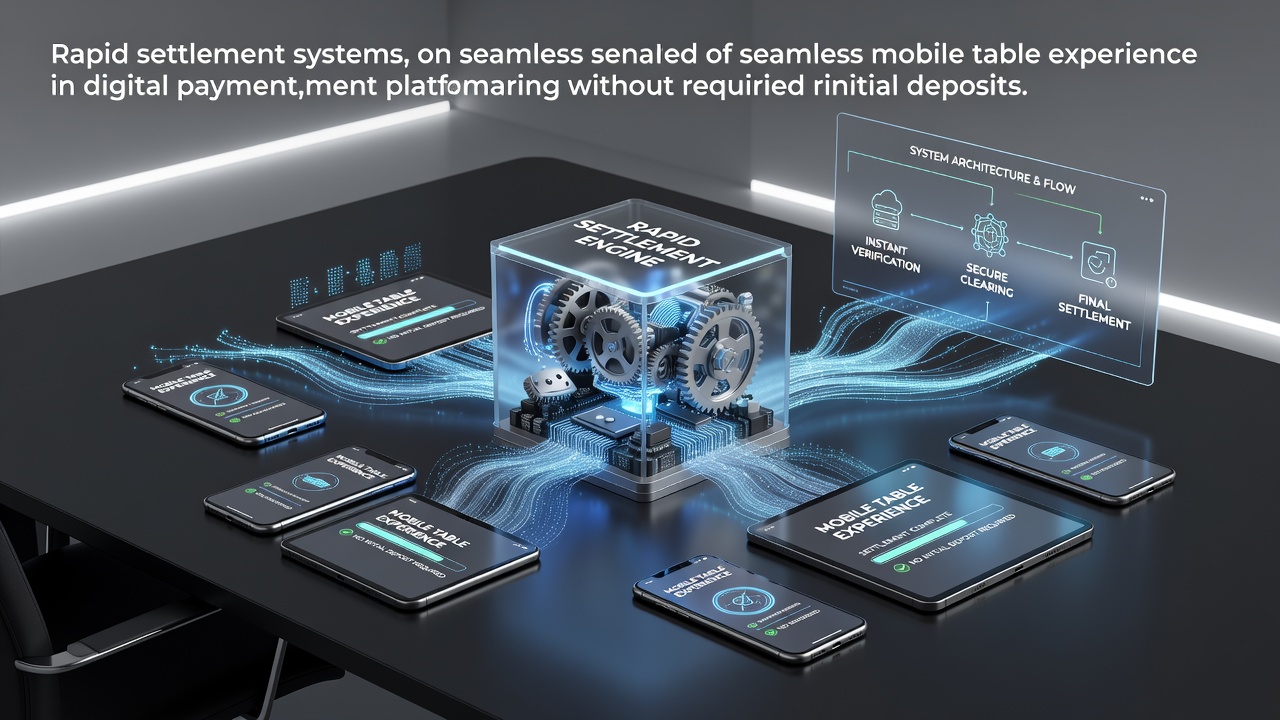
Inside the Mechanics of Rapid Settlement Systems Powering Mobile Table Experiences Without Initial Deposits
Rapid settlement systems operate through layered verification protocols that confirm user eligibility for no-deposit access before any table interaction begins. These frameworks rely on API connections between mobile applications and backend ledgers that process bonus allocations in real time. Data from payment processors indicates that such setups complete initial account validations in under three seconds during peak usage periods in July 2026. Operators integrate digital wallet interfaces that support instant credit checks without requiring upfront transfers. The process starts when an app detects a new session, pulls identity markers from device-level tokens, and cross-references them against eligibility databases. Once cleared, the system assigns temporary table credits drawn from promotional pools rather than user funds.Core Components Driving Instant Table Access
Settlement engines combine cryptographic hashing with multi-party computation to secure transactions across mobile networks. Researchers at institutions studying distributed ledger applications have documented how these methods reduce latency by routing confirmations through edge servers located near user regions. Observers note that this architecture allows table games such as blackjack and roulette variants to begin within moments of login.
Payment gateways handle the transition from bonus stage to cash-out stage by maintaining separate ledgers for promotional balances and verified winnings. When players accumulate results, the system triggers automated reconciliation routines that apply predefined conversion rules before releasing funds. Industry reports from the European Gaming and Betting Association show average settlement times for these steps falling below five seconds on optimized networks.Mobile-Specific Adaptations in Ledger Technologies
Applications designed for portable devices incorporate lightweight consensus algorithms that sync with central databases during brief connectivity windows. This design prevents interruptions during live dealer sessions by queuing settlement requests locally and forwarding them once bandwidth stabilizes. Figures from network monitoring services reveal that such queuing mechanisms maintain 99.7 percent uptime across major carriers during high-traffic intervals.
 Additional safeguards include device fingerprinting combined with behavioral analytics that flag unusual patterns before credits finalize. Those who have examined these protocols point out that the combination reduces disputes by routing flagged sessions to manual review queues while allowing standard transactions to proceed uninterrupted.
Integration Patterns Across Global Markets
Developers align settlement logic with regional regulatory requirements by embedding configurable modules that adjust verification depth according to jurisdiction. A study published through the Canadian Centre for Gaming Research outlines how these modules accommodate variations in bonus taxation and withdrawal thresholds without altering core transaction speeds. Operators in multiple territories have adopted similar modular designs since early 2025.
Cross-platform compatibility receives attention through standardized data formats that permit seamless handoffs between smartphone operating systems. Transaction logs generated during table sessions feed directly into audit trails required by oversight bodies, ensuring compliance while preserving rapid processing cycles.Performance Metrics and Operational Realities
Analytics platforms tracking settlement volumes report that no-deposit mobile table traffic increased by 18 percent between January and July 2026. The growth correlates with refinements in ledger synchronization that permit simultaneous handling of thousands of concurrent sessions. System administrators monitor queue depths and adjust server allocations dynamically to keep response times consistent. Security layers wrap each settlement event in encrypted packets that undergo independent verification before final posting. This layered approach supports the requirement for immediate fund availability while meeting standards set by international testing laboratories.