Navigating Cross-Border Payment Shifts in Portable Live Gaming Apps That Blend Crypto Incentives with Real-Time Table Interactions
Katja Perry · Jun 1, 2026
Navigating Cross-Border Payment Shifts in Portable Live Gaming Apps That Blend Crypto Incentives with Real-Time Table Interactions
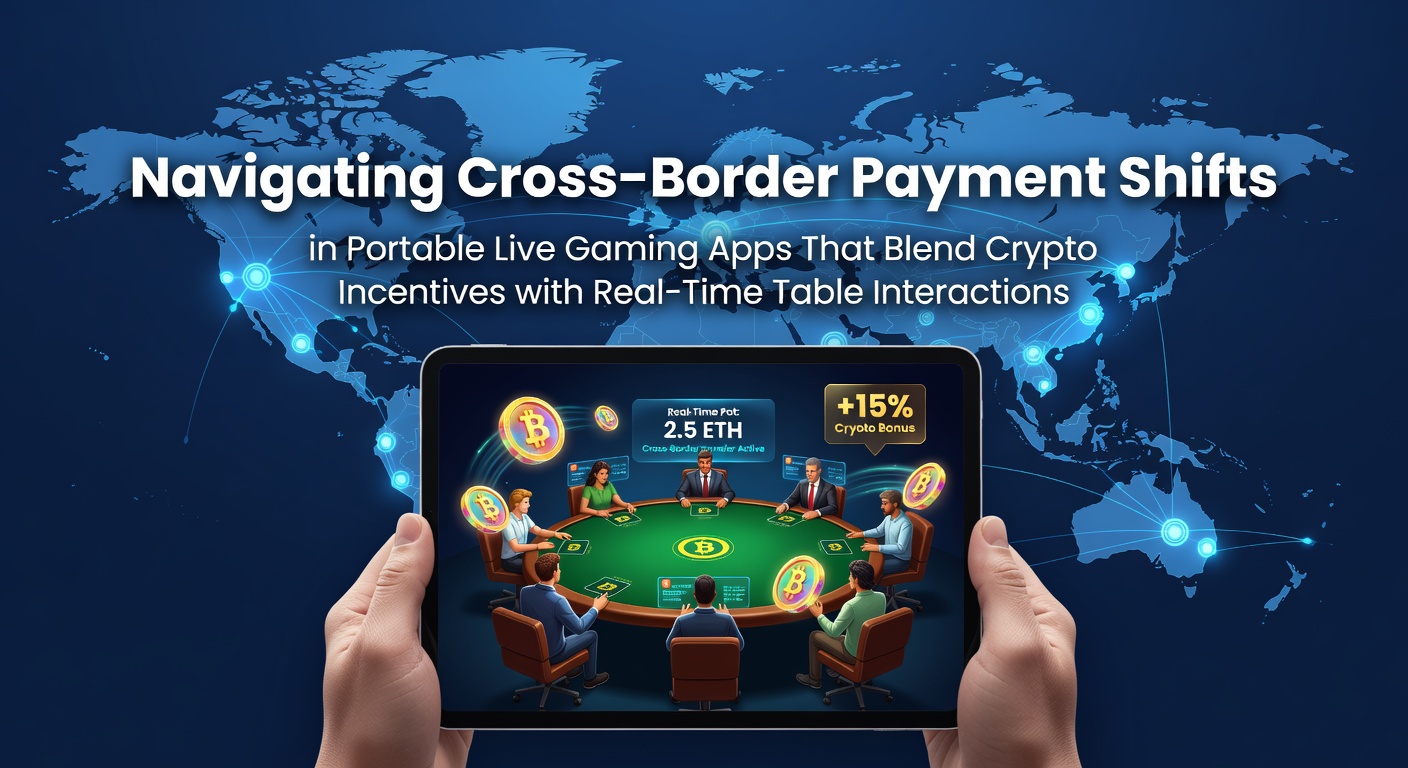
Portable live gaming apps have expanded rapidly as operators integrate cryptocurrency incentives into real-time table environments where users join blackjack, roulette, and baccarat sessions from mobile devices across multiple jurisdictions, and payment rails must adapt to shifting regulatory landscapes that differ sharply between regions.
Understanding teh Payment Landscape in Mobile Live Gaming
Cross-border transactions in these apps encounter layered requirements because digital asset transfers face distinct licensing rules, tax reporting obligations, and anti-money laundering standards depending on the user's location and the operator's base, while real-time table interactions demand low-latency processing that traditional banking channels often cannot match. Research from industry monitoring groups shows transaction volumes involving crypto rewards in live dealer formats grew steadily through 2025 as platforms adjusted settlement times to under ten seconds for in-game bonuses.
Operators handle these flows by routing incentives through blockchain networks that support instant confirmation, yet they still confront volatility in asset values and varying recognition of crypto as legal tender. Data from payment analytics firms indicates that apps serving users in both North America and Asia-Pacific markets now employ multi-chain wallets to maintain continuity when one network experiences congestion or regulatory pauses.
Regulatory Variations Across Regions
European markets apply the Markets in Crypto-Assets regulation that took full effect in late 2024, requiring operators to verify user identities before distributing crypto incentives tied to live table play, whereas several U.S. states maintain separate frameworks that treat such rewards as promotional credits subject to state gambling taxes. Observers note that apps must therefore segment user pools and apply jurisdiction-specific filters at the account creation stage to avoid compliance gaps.
In June 2026, additional reporting thresholds for cross-border crypto movements are scheduled to activate in parts of the European Union and select Canadian provinces, prompting developers to update their backend systems ahead of those deadlines. These updates include automated logging of incentive distributions that exceed certain euro or dollar equivalents so platforms can generate required disclosures without interrupting real-time table sessions.
Technical Adaptations for Seamless Incentives
Apps blend crypto rewards with live interactions by embedding smart contract triggers that release bonuses when players reach table milestones, such as consecutive wins or extended session times, and these contracts execute across borders while complying with local currency conversion rules. Payment processors integrated into the apps convert stablecoins to local equivalents where required, reducing user friction during deposit and withdrawal steps.
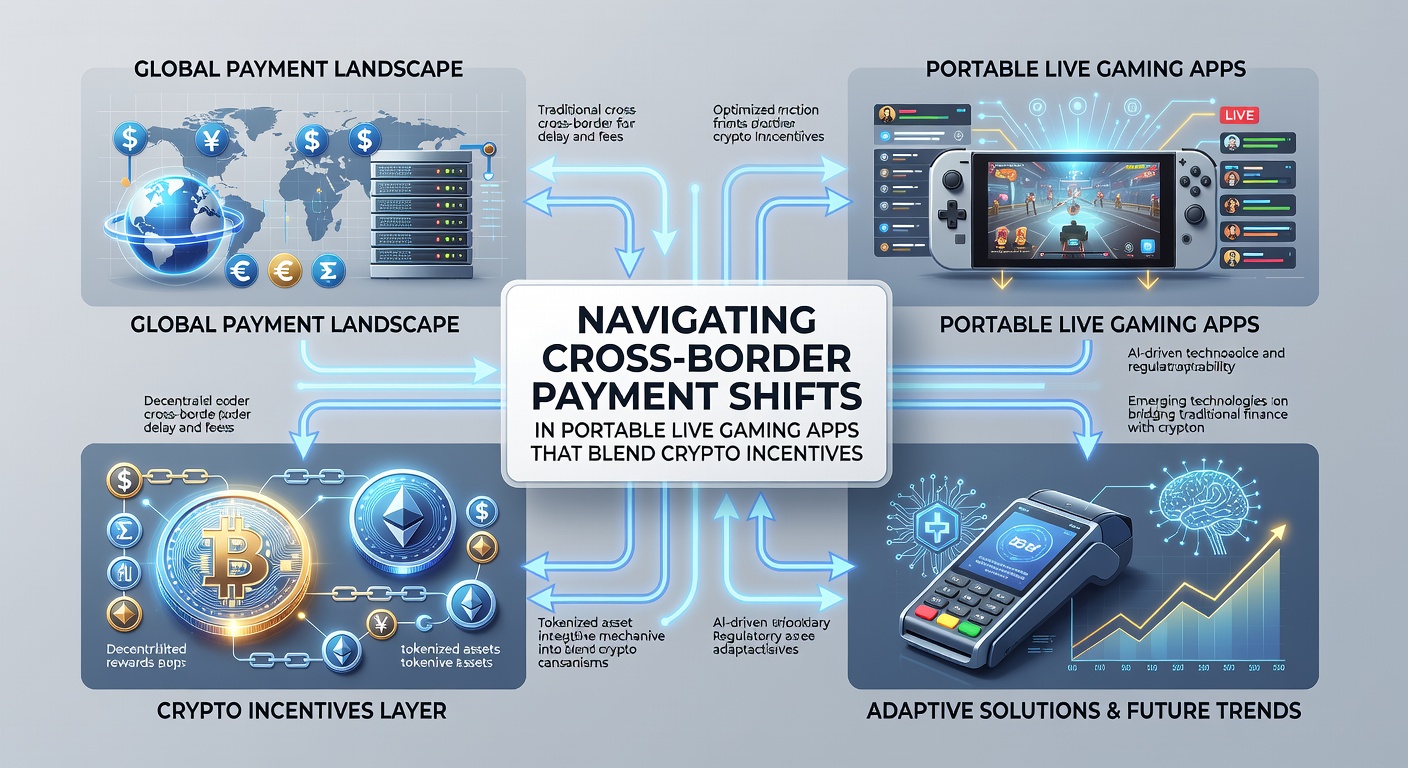
Engineers achieve this by combining on-chain verification with off-chain game servers that manage table state, ensuring the incentive layer does not introduce delays to video feeds or betting actions. Industry reports document average latency reductions of 40 percent after such hybrid architectures were deployed in 2025.
Security and Compliance Measures
Security protocols in these environments include multi-signature wallet approvals and real-time fraud detection algorithms that flag unusual cross-border patterns before incentives are credited. Regulatory bodies in Australia and Singapore have issued guidance requiring operators to maintain segregated reserves for crypto liabilities, and several large platforms now publish periodic attestations from third-party auditors to demonstrate compliance.
Users benefit from these measures through clearer transaction histories that list both the crypto amount awarded and its equivalent value at the moment of distribution, which helps with personal record-keeping across different tax regimes. Those who have studied implementation cases report that transparent logging also reduces support tickets related to disputed rewards.
Future Outlook for Cross-Border Flows
Continued evolution of payment infrastructure points toward greater adoption of central bank digital currencies alongside existing cryptocurrencies, allowing apps to offer hybrid incentive options that satisfy both regulatory preference for controlled assets and user demand for decentralized alternatives. Trade associations tracking global gaming technology note that partnerships between app developers and licensed payment institutions are expanding to cover additional corridors in Latin America and Africa where mobile penetration remains high.
Conclusion
Portable live gaming apps continue to refine their handling of cross-border payments by aligning crypto incentive mechanisms with real-time table requirements and region-specific regulations, and the adjustments scheduled around June 2026 represent one more step in that ongoing alignment process. Stakeholders monitor these developments through ongoing data collection from transaction networks and compliance filings that reveal how the sector maintains operational continuity amid changing rules.