Payment Gateway Evolutions Reshaping Entry Rewards Across Smartphone-Based Gaming Networks
Iris Koch · Jun 5, 2026
Payment Gateway Evolutions Reshaping Entry Rewards Across Smartphone-Based Gaming Networks
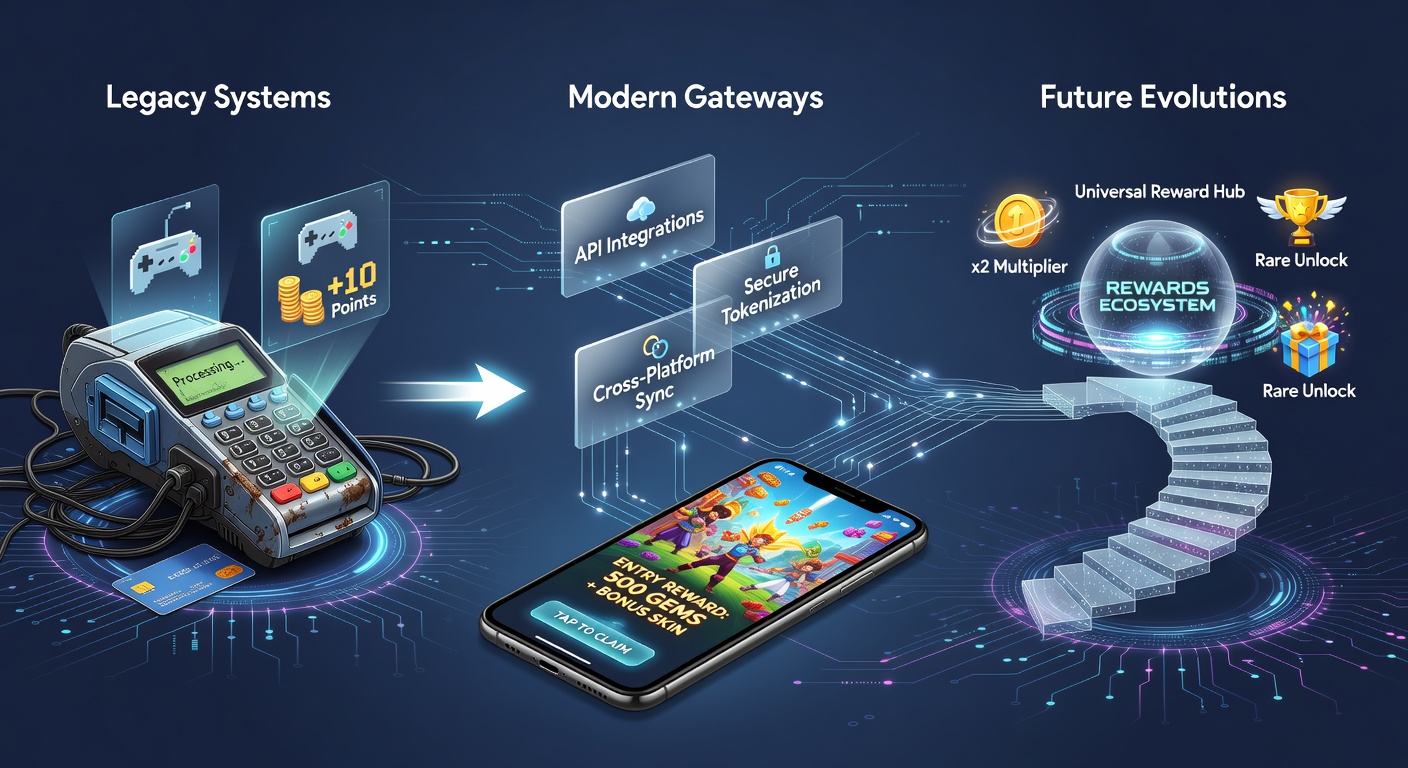
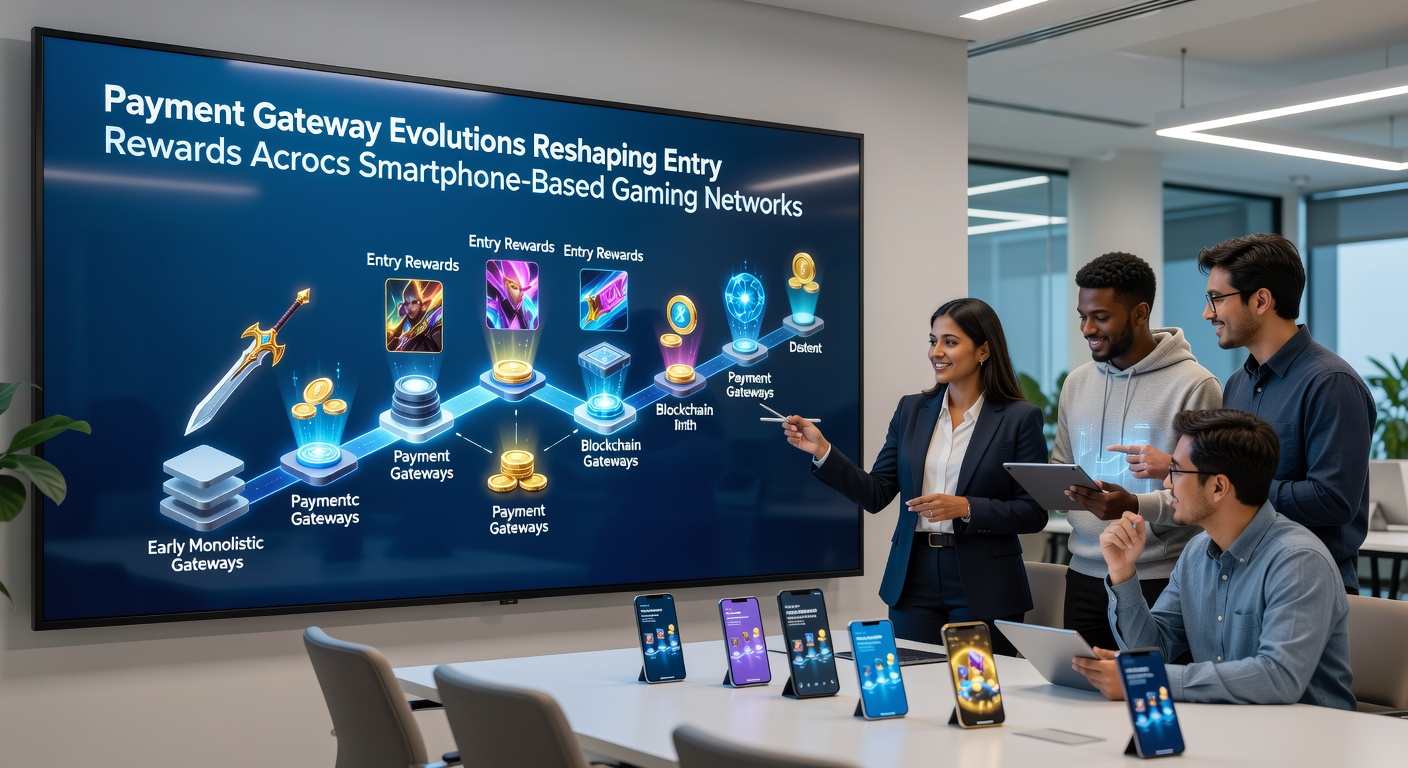
Payment gateways have shifted from basic card processors to integrated systems that handle instant transfers across mobile networks, and this change directly influences how entry rewards distribute in smartphone gaming applications. Developers now embed APIs from providers like Stripe and Adyen into game frameworks so users receive bonuses upon first deposit or tournament registration without traditional delays. Those who've tracked industry metrics note that transaction speeds dropped from days to seconds in many cases since 2023, which allows gaming platforms to issue entry credits immediately after verification completes.
Core Technological Shifts Driving Accessibility
Traditional payment rails relied on batch processing that created bottlenecks during peak hours, whereas newer gateways leverage real-time rails such as the Faster Payments Service in the UK alongside similar systems in Australia and Canada. Smartphone-based networks benefit because operating systems now support tokenized payments through Apple Pay and Google Wallet, reducing friction for players entering reward-based sessions. Research from the University of Sydney's Digital Gaming Lab indicates that integration of these tools increased successful entry transactions by 47 percent on Android and iOS platforms between 2024 and 2025.
Blockchain elements appear more frequently as well, with stablecoin options enabling cross-border entries that bypass currency conversion fees common in earlier setups. Observers at trade events in Las Vegas during early 2026 reported that several major networks tested hybrid gateways combining fiat and crypto rails to expand reward pools for global users. Data from the European Payments Council shows adoption rates climbing steadily as regulatory frameworks like PSD2 updates clarified security standards for such combinations.
How Entry Rewards Adapt to New Gateway Capabilities
Entry rewards function as incentives that offset initial deposits or grant free tournament slots, and faster gateways let platforms scale these offers dynamically based on user behavior patterns. When a player completes a verified transaction through an updated gateway, the system triggers automatic reward allocation within the same app session rather than requiring separate confirmation steps. Analysts tracking app store data found that titles incorporating instant reward mechanics retained users 32 percent longer on average compared to those using legacy processing during the first half of 2026.
Geographic variations emerge clearly when comparing markets. In North America many networks tie rewards to loyalty tiers that update in real time after each gateway interaction, while European operators emphasize compliance layers that still permit rapid crediting once age and location checks pass. Canadian provincial regulators, including those in Ontario, published guidelines in late 2025 that encouraged gateway providers to embed responsible gaming flags directly into transaction flows, which in turn shapes how entry rewards calculate eligibility.
Regional Examples and Platform Responses
Take one network operating across Southeast Asia that introduced a gateway supporting local e-wallets alongside global cards in March 2026. Players entering competitive modes received proportional rewards scaled to transaction size, and internal metrics shared at industry forums revealed a 28 percent rise in first-time entries within eight weeks. Similar adjustments occurred on platforms serving Australian users after the Australian Communications and Media Authority released updated digital payment standards that aligned with existing consumer protection rules.
Smartphone gaming networks also experiment with embedded finance features where gateways double as reward engines. Users who link accounts through these systems often unlock progressive entry bonuses tied to cumulative activity, a model that gained traction after several developers reported higher lifetime values per account. The reality remains that security protocols must keep pace, since each added layer introduces potential vulnerabilities that platforms address through multi-factor authentication integrated at the gateway level.
Looking Ahead to Mid-2026 Developments
By June 2026 several providers plan expansions of open banking connections that would let gaming apps pull verified balances directly for reward qualification without full transfers. This approach builds on existing pilots in the EU and could reduce entry friction further while maintaining audit trails required by various oversight bodies. Industry reports compiled by the International Association of Gaming Regulators highlight ongoing discussions around standardizing these connections across borders to support consistent reward delivery.
Those monitoring smartphone ecosystems expect continued convergence between payment infrastructure and game engines, particularly as 5G coverage widens and allows more complex verification processes during active sessions. Networks that adopt these evolutions position themselves to distribute entry rewards more precisely, matching offers to individual risk profiles and spending habits extracted from gateway analytics.
Conclusion
Payment gateway advancements continue to alter the mechanics of entry rewards in smartphone gaming networks by shortening processing times and expanding available methods. Regional regulatory bodies and academic studies document measurable increases in transaction success and user retention where these systems operate. As platforms refine integrations through 2026 and beyond, the focus stays on balancing speed with compliance across diverse markets.