Portable Casino Tables and Cryptographic Payments Reshape Live Gaming Experiences
Theo Neumann · Aug 5, 2026
Portable Casino Tables and Cryptographic Payments Reshape Live Gaming Experiences
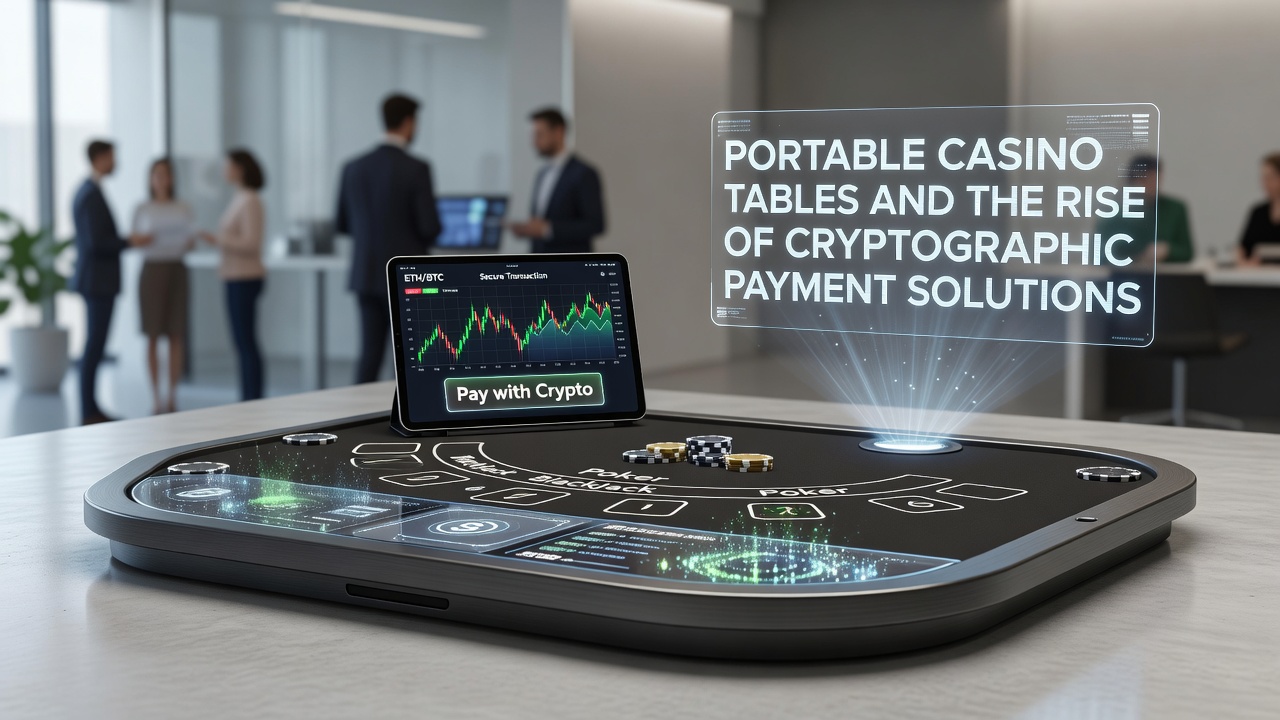
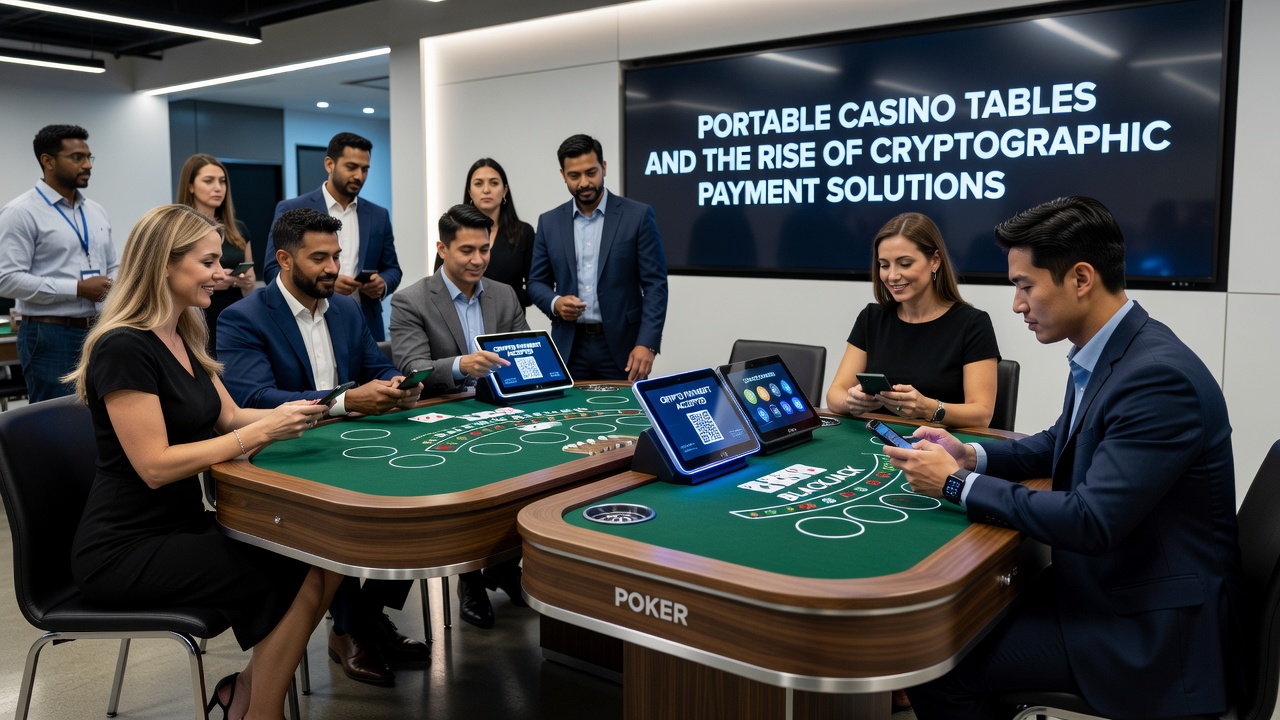
Portable casino tables have moved beyond traditional casino floors into temporary venues, corporate events, and private functions where operators set up full gaming stations in hours rather than weeks, and cryptographic payment solutions now handle buy-ins, payouts, and chip conversions without cash handling delays.
Expansion of Portable Gaming Equipment
Manufacturers have developed lightweight folding tables with integrated RFID readers and secure locking mechanisms that support blackjack, poker, roulette, and baccarat while meeting transport regulations across multiple jurisdictions, and event planners in North America and Europe report increased bookings for these units at music festivals, charity galas, and trade shows throughout 2025 and into 2026. Data from industry tracking services shows the portable gaming segment grew by double digits in the two years prior to August 2026, driven by demand for flexible entertainment options that do not require permanent real estate commitments.
Cryptographic Payment Adoption Patterns
Operators pair these tables with blockchain-based wallets that allow instant verification of funds through public ledgers, reducing settlement times from days to minutes and eliminating the need for physical cash cages at remote sites. Research from the Global Betting and Gaming Consultants indicates that venues using cryptographic rails recorded a 34 percent increase in average transaction volume per event compared with cash-only setups during the same period. Players receive digital receipts that record every chip exchange on an immutable chain, which auditors can review without accessing bank records.
Technical Integration at Events
Setup crews connect portable tables to mobile hotspots or satellite links that interface with multiple cryptocurrency networks, enabling support for major tokens while complying with local licensing rules that require transaction logging. One documented case involved a series of pop-up poker tournaments held across Australian states where organizers used multi-signature wallets to manage prize pools, and participants transferred entry fees directly from personal devices before receiving RFID-tagged chips. Security protocols include encrypted QR code scanning at each table and automated tax reporting modules that flag large transfers for regulatory review.
Regulatory Developments Through Mid-2026
By August 2026 several regional authorities had updated guidance on digital asset handling at temporary gaming sites, with the Nevada Gaming Control Board publishing revised technical standards that cover wallet integration for non-permanent locations, and similar updates appeared in Canadian provincial frameworks. These rules emphasize player verification through digital identity checks rather than traditional ID scanning, which speeds entry at events while maintaining audit trails. Operators who meet these standards gain faster approval for multi-state or cross-province deployments.
Operational Benefits Observed in Practice
Event staff note that cryptographic systems cut reconciliation time by roughly half because every transfer carries its own timestamp and wallet address, and disputes over missing funds drop when records exist on public ledgers instead of paper ledgers. Supply chain reports from equipment providers show rising orders for tables pre-configured with hardware security modules that store private keys offline until a transaction initiates. Training programs for dealers now include basic wallet navigation so staff can assist players who encounter network congestion or fee spikes during peak hours.
Market Data and Geographic Spread
Figures released by the Asia-Pacific Gaming Association reveal that portable table deployments in Southeast Asia increased 28 percent year-over-year through the first half of 2026, with cryptographic payment options featured in over 60 percent of new contracts. European markets followed a similar trajectory after several countries clarified tax treatment of digital currency winnings at temporary venues. Observers point to reduced insurance costs as another driver, since operators no longer transport large cash amounts to and from remote sites.
Future Infrastructure Considerations
Industry analysts track ongoing work on interoperability standards that would let a single wallet interact with tables from different manufacturers without custom software bridges, and pilot programs in several U.S. states test unified reporting dashboards that feed data directly to tax authorities. Equipment designers continue refining solar-powered charging stations for the tablets and card readers used at outdoor events, addressing power reliability in locations far from grid connections.
Conclusion
Portable casino tables paired with cryptographic payment rails have created new operational models for event-based gaming that prioritize speed, auditability, and reduced physical infrastructure, and ongoing regulatory updates through 2026 continue to shape how these systems scale across regions. Data from multiple monitoring bodies shows steady adoption as operators seek solutions that match the mobility of modern entertainment formats while satisfying compliance requirements.