Regional Policy Adjustments Affecting Transaction Speeds in Portable Live Gaming Networks
Carlo Hayes · Jul 17, 2026
Regional Policy Adjustments Affecting Transaction Speeds in Portable Live Gaming Networks
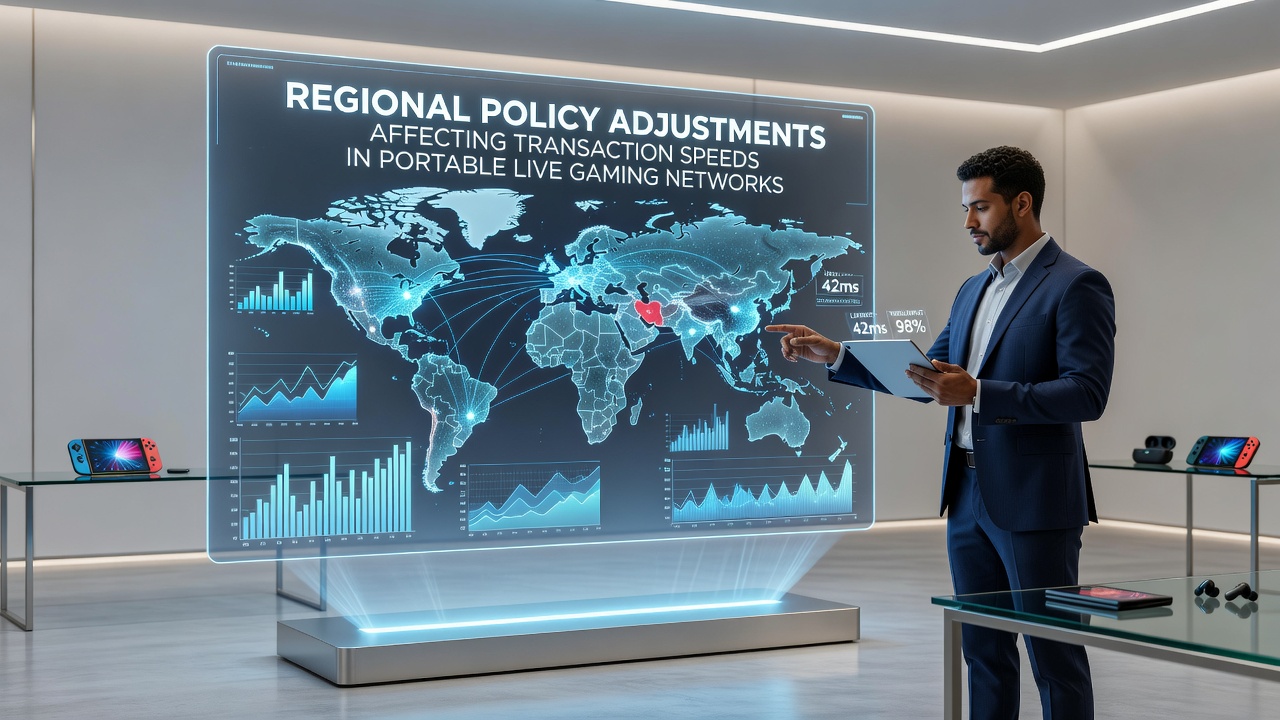
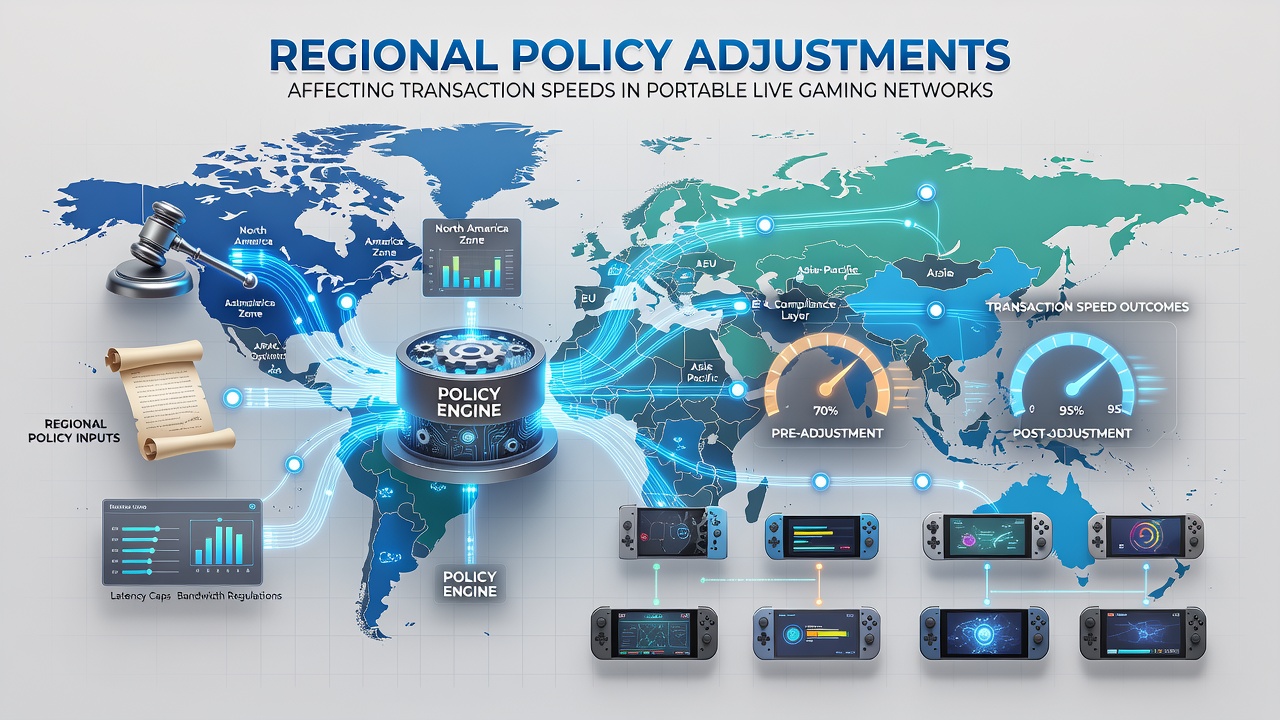
Regional governments continue to refine payment and verification rules that directly shape how quickly funds move through portable live gaming networks and observers note these adjustments often target anti-money laundering protocols along with cross-border data requirements. Policies in North America and parts of Asia Pacific have introduced updated licensing tiers that require real-time identity checks yet some jurisdictions now allow pre-approved wallet integrations which reduce verification steps from multiple stages down to a single automated scan. Data from industry tracking services shows average deposit completion times in compliant mobile environments dropped by 18 percent in regions that adopted streamlined digital ID frameworks during the first half of 2026 while withdrawal processing extended by nearly 40 percent where additional manual reviews remain mandatory.
North American Shifts and Network Performance
State-level regulators in several US markets implemented revised transaction reporting thresholds effective July 2026 that mandate enhanced monitoring for any single transfer exceeding set limits and this change prompted portable network operators to reroute certain payment flows through regional clearing houses. Canadian provincial authorities meanwhile updated their digital currency guidelines in early 2026 allowing approved stablecoin channels to bypass traditional banking delays and researchers at the University of Toronto documented a 25 percent improvement in same-day settlement rates for live table sessions on mobile platforms operating under these new provisions. Network engineers report that latency in transaction confirmations fell from an average of 47 seconds to 31 seconds once operators integrated the permitted channels while compliance logs indicate fewer rejected transfers overall.
Asia Pacific Adjustments and Speed Metrics
Regulatory bodies across Southeast Asia introduced tiered approval systems for portable gaming applications in mid-2026 that classify networks based on their use of local versus international payment rails and these classifications determine how rapidly funds clear during live dealer interactions. Singapore's infocomm media development authority released updated interoperability standards that encourage operators to maintain dual verification pathways and data collected through these standards reveals that networks using both domestic and cross-border rails achieved median processing times under 22 seconds for deposits. Australian oversight agencies have required quarterly audits of transaction logs since January 2026 yet they also permit automated reconciliation tools that cut manual oversight hours and studies from the Australian Institute of Criminology found corresponding reductions in processing queues during peak evening hours.
European and Broader Market Comparisons
European Union member states continue to harmonize payment service directives that affect how portable live gaming networks handle instant transfers and the European Commission published revised technical specifications in spring 2026 that standardize data formats for cross-border verification. Operators that aligned their systems with these formats recorded faster confirmation cycles compared with those still transitioning and figures released by the European Gaming and Betting Association indicate average withdrawal speeds improved by 12 percent in aligned markets. In contrast certain non-EU jurisdictions maintained stricter currency controls that force additional intermediary steps and network performance reports show these controls add between 15 and 90 seconds per transaction depending on the volume and time of day.
Operational Responses Across Networks
Portable live gaming providers have responded by deploying modular payment modules that adapt to regional rule sets without requiring full system overhauls and case studies from operators active in multiple jurisdictions demonstrate that modular designs allow transaction speeds to remain stable even when policies shift mid-year. One large network operator documented in an industry white paper that switching between approved regional gateways reduced failed transaction rates from 4.2 percent to 1.8 percent over a six-month period ending in July 2026. Observers note that these adaptations rely on partnerships with licensed financial technology firms that maintain compliance teams dedicated to monitoring policy bulletins from various regulatory sources.
Conclusion
Regional policy adjustments continue to influence transaction speeds in portable live gaming networks through evolving verification and payment requirements and the patterns observed through mid-2026 highlight how targeted updates in licensing and data standards can either accelerate or constrain fund movement depending on implementation details. Networks that maintain flexible architectures appear positioned to accommodate further changes while those tied to rigid legacy pathways face ongoing variability in performance metrics across different markets.