Shifting player demographics reshaping tailored entry perks across wireless platforms with distributed ledger settlements and interactive table formats
Carlo Hayes · Jul 20, 2026
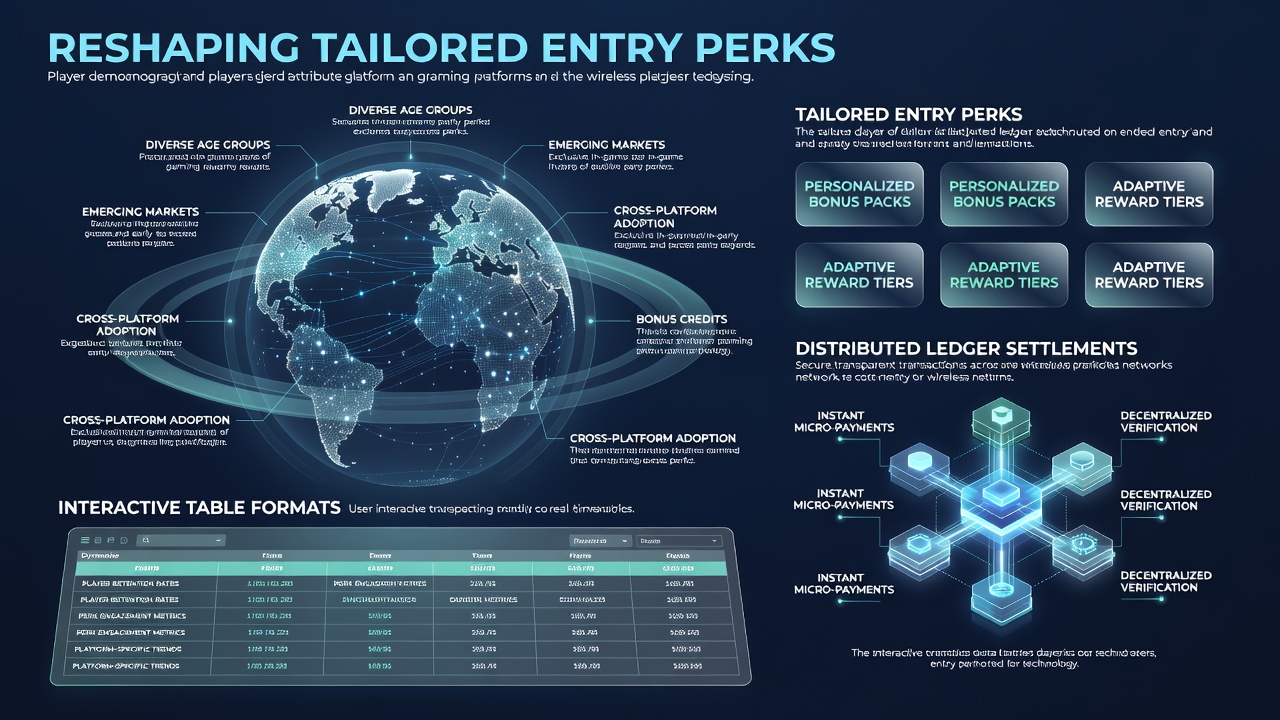
Shifting player demographics reshaping tailored entry perks across wireless platforms with distributed ledger settlements and interactive table formats
Player demographics in digital gaming have shifted noticeably over recent years, with data from multiple regions showing increased participation among younger adults and broader geographic user bases on wireless platforms. Research from industry tracking services indicates that mobile-first users now represent a larger share of active accounts than desktop counterparts, prompting operators to adjust entry perks such as initial deposit matches and loyalty credits to match these patterns. Figures released in July 2026 by regional gaming authorities highlight how these changes coincide with wider adoption of distributed ledger technologies for transaction handling.
Demographic patterns driving platform adaptations
Analysts at organizations like the European Gaming and Betting Association have documented rising numbers of users aged 21 to 35 engaging through smartphone applications, where session lengths tend to be shorter yet more frequent compared with previous cohorts. This trend aligns with greater diversity in player locations, including growth in Asia-Pacific and Latin American markets, which influences how entry rewards are structured around instant access features. Observers note that tailored perks now often incorporate region-specific elements, such as currency options or time-zone adjusted bonus windows, to retain these expanding groups.
Wireless platforms have responded by integrating user data analytics that segment participants based on device type and play frequency, allowing for customized onboarding sequences. Studies compiled by academic researchers at institutions including the University of Nevada, Las Vegas, show correlations between these demographic shifts and higher engagement rates when perks emphasize quick settlement options over traditional verification delays.
Distributed ledger technology in settlement processes
Distributed ledger systems enable faster reconciliation of entry incentives across borders, reducing processing times from days to minutes in many documented cases. Reports from regulatory bodies in Canada and Australia detail pilot programs where blockchain-based ledgers handle initial player credits, ensuring transparency while complying with local financial rules. These adaptations appear particularly relevant for wireless users who expect seamless transitions between deposit, play, and withdrawal stages.
Interactive table formats, which combine live dealer streams with real-time multiplayer elements, further benefit from ledger integration because transaction logs remain verifiable without centralized intermediaries. Data shared at industry forums in mid-2026 points to adoption rates climbing among operators targeting mobile audiences, where settlement finality supports continuous table participation without interruption.
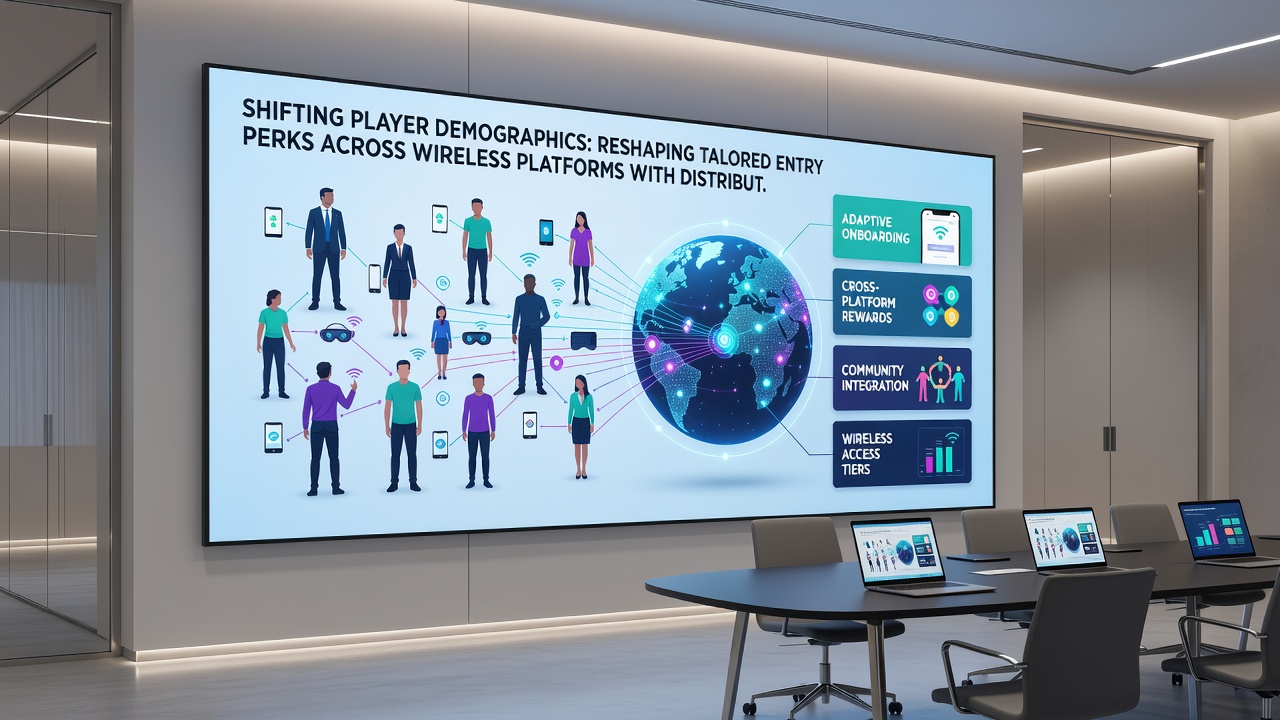
Interactive table formats and reward customization
Live dealer tables delivered over wireless connections have incorporated demographic insights into their reward mechanics, offering entry bonuses scaled to session participation metrics rather than fixed amounts. Research indicates that platforms using these formats report improved retention when perks sync with user profiles derived from play history and geographic data. The combination allows operators to present offers that match observed behaviors, such as shorter evening sessions common among certain age brackets.
Case examples from operators in multiple jurisdictions illustrate how ledger settlements underpin these tables by confirming reward eligibility in real time, minimizing disputes and supporting higher table occupancy rates. Figures from global market analyses suggest this approach expands reach to users who previously encountered friction with slower payment rails.
Integration across wireless ecosystems
Wireless networks facilitate the convergence of these elements by supporting high-bandwidth streaming for interactive tables alongside secure ledger queries for perk validation. Technical standards emerging in 2026 emphasize interoperability between mobile operating systems and distributed systems, enabling consistent experiences regardless of device manufacturer. Those monitoring adoption patterns report steady growth in cross-platform accounts where entry incentives carry over seamlessly.
Regulatory updates in regions including parts of Southeast Asia and North America continue to shape how these technologies combine, with emphasis on consumer protection measures that require clear disclosure of settlement methods. Industry data sets reveal that platforms aligning perks with demographic realities while maintaining ledger transparency often achieve broader user acquisition targets.
Conclusion
Shifts in player demographics continue to influence how entry perks are designed and delivered on wireless platforms, with distributed ledger settlements and interactive table formats serving as core components of updated systems. Evidence from regulatory reports and academic studies through July 2026 demonstrates measurable changes in user engagement tied to these adaptations, setting parameters for ongoing platform development across global markets.