Token Integration Patterns Altering Reward Mechanisms Within Smartphone Wagering Interfaces
Iris Koch · Jun 19, 2026
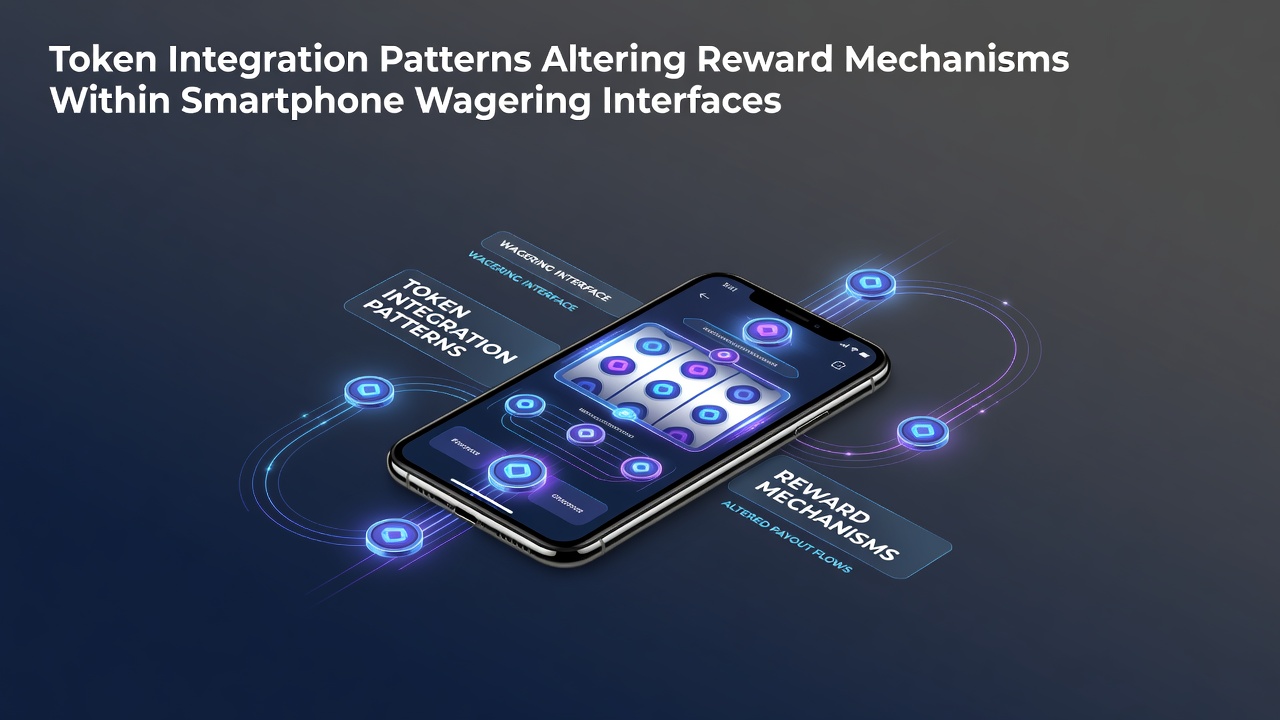
Token Integration Patterns Altering Reward Mechanisms Within Smartphone Wagering Interfaces
Token integration patterns have started reshaping reward structures inside smartphone wagering interfaces as developers incorporate blockchain-based systems that distribute value through programmable assets rather than traditional point systems. These patterns rely on smart contracts that automatically trigger payouts when users complete specific actions such as placing qualifying bets or achieving session milestones. Observers note that the shift allows platforms to create layered incentive models where tokens can represent loyalty credits, bonus multipliers, or even fractional ownership in game outcomes.
Core Mechanics Behind Token-Based Rewards
Developers embed tokens directly into the user journey so that every interaction with a mobile interface generates or consumes digital assets in real time. Smart contracts handle verification on distributed ledgers while the smartphone app displays updated balances without requiring separate wallet navigation. Data from industry reports shows that this seamless flow reduces friction compared with older loyalty programs that required manual redemptions or email confirmations. Research conducted by the International Gaming Institute at the University of Nevada indicates that token systems can process micro-rewards at speeds under two seconds, enabling frequent small payouts that keep users engaged across longer sessions.
Patterns often combine fungible tokens for standard bonuses with non-fungible tokens for exclusive achievements such as tournament entries or limited-edition game skins. When a player reaches a threshold, the contract mints an NFT that can be traded or held for future value. Those who've studied adoption trends report that platforms in North America and Europe began testing these hybrid models in early 2025, with wider rollout occurring through the first half of 2026.
Changes to Player Progression and Payout Timing
Traditional reward mechanisms operated on fixed schedules where points accumulated toward monthly or quarterly redemptions. Token patterns replace those calendars with continuous, on-chain verification that credits value the moment conditions are met. A player completing a daily challenge might receive tokens instantly rather than waiting for a manual review process. Figures from the Canadian Gaming Association reveal that mobile operators using these systems recorded average session lengths increasing by 18 percent between January and June 2026.
Because tokens exist on public or permissioned ledgers, users can transfer value outside the original platform under defined rules. This portability alters how operators structure entry incentives, since players now consider both in-app utility and potential secondary-market liquidity when evaluating offers. Experts at the European Gaming and Betting Association have documented cases where token liquidity features influenced deposit patterns across multiple jurisdictions.
Implementation Across Different Device Ecosystems
Smartphone wagering interfaces must accommodate varying operating systems and hardware capabilities while maintaining consistent token functionality. Android applications often integrate deeper with hardware security modules to store private keys locally, whereas iOS versions rely more heavily on secure enclave processing. Both approaches allow the app to sign transactions without exposing seed phrases to the main interface layer.
Cross-platform frameworks have emerged that abstract ledger interactions so developers can deploy identical reward logic to both major mobile ecosystems. Testing data collected through mid-2026 shows these frameworks reduced development time by roughly 30 percent compared with native implementations. Observers note that smaller operators benefit most because they can license the framework rather than build custom token engines from scratch.
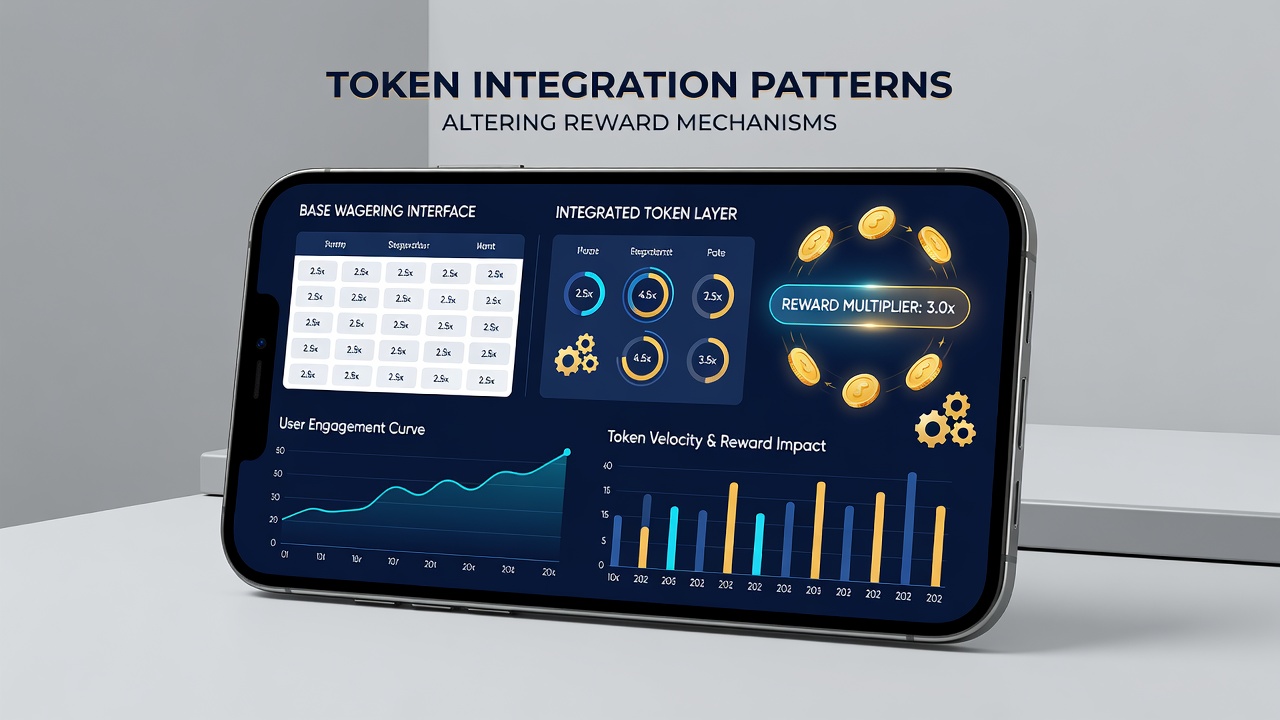
Regulatory Considerations Shaping Adoption
Regulatory bodies in multiple regions have begun issuing guidance on token-based reward systems to address consumer protection and anti-money-laundering requirements. In Australia the Australian Communications and Media Authority has examined how on-chain transparency can simplify audit trails for bonus distributions. Canadian provincial regulators have similarly required operators to maintain detailed logs of token minting events that correspond to player activity.
Operators must ensure that token rewards comply with existing responsible gambling tools such as deposit limits and self-exclusion lists. Because tokens can move between accounts, platforms implement additional checks that freeze assets when a user activates exclusion settings. Data compiled through June 2026 indicates that most major mobile operators have already embedded these compliance layers into their token contracts.
Future Developments Expected Through Late 2026
Industry analysts anticipate further refinement of token patterns that incorporate real-time market pricing for in-app rewards. Dynamic pricing could adjust token values based on supply within the platform economy while still guaranteeing minimum redemption rates for cash equivalents. Several large operators have announced plans to pilot these variable models before the end of 2026.
Interoperability standards are also advancing, allowing tokens earned on one platform to function within partner applications. Early tests conducted by multi-state operators in the United States suggest that cross-platform token use increases retention when users move between different brands under the same corporate umbrella. Researchers continue to track whether these patterns will extend to independent operators through shared ledger protocols.
Conclusion
Token integration patterns continue to modify reward mechanisms inside smartphone wagering interfaces by replacing static point systems with programmable, ledger-verified assets. The resulting changes affect payout timing, player progression, and cross-platform value transfer while requiring updated compliance frameworks. As operators refine these models through the remainder of 2026, the emphasis remains on maintaining transparent, auditable reward delivery that aligns with existing regulatory expectations across jurisdictions.